Gardens in an Hourglass
09.02.2026 - 26.02.2026
Artist: Teodora Tsanova – Fedya
Curator: Reneta Georgieva
Come around sister, sister now we be
Chosen and recognized by he
Let's cut and tear in the open air
Let's gather all that's left to keep
And leave the rest for the winds to sweep
Oh around this body, we meet
What's left for us we seek
— Widows, Lou Doillon
I pass by urban windows and, behind the glass, glimpse a dense green mass of plants spilling out onto the pavement, as if trying to stop and touch me. Someone has gathered fresh flowers and tied them with twine, a gesture that both cultivates and tames their wildness. Their scent drifts into the street, evoking a sense of home, of care, of endless fields and white wild cherries whose juice runs between the fingers - that sticky, dense residue of memory that cannot be entirely washed away.
The plant is a peculiar form of time. It does not remember through narrative, but through growth. Every new bud is an accumulation; every fading bloom, a shedding.
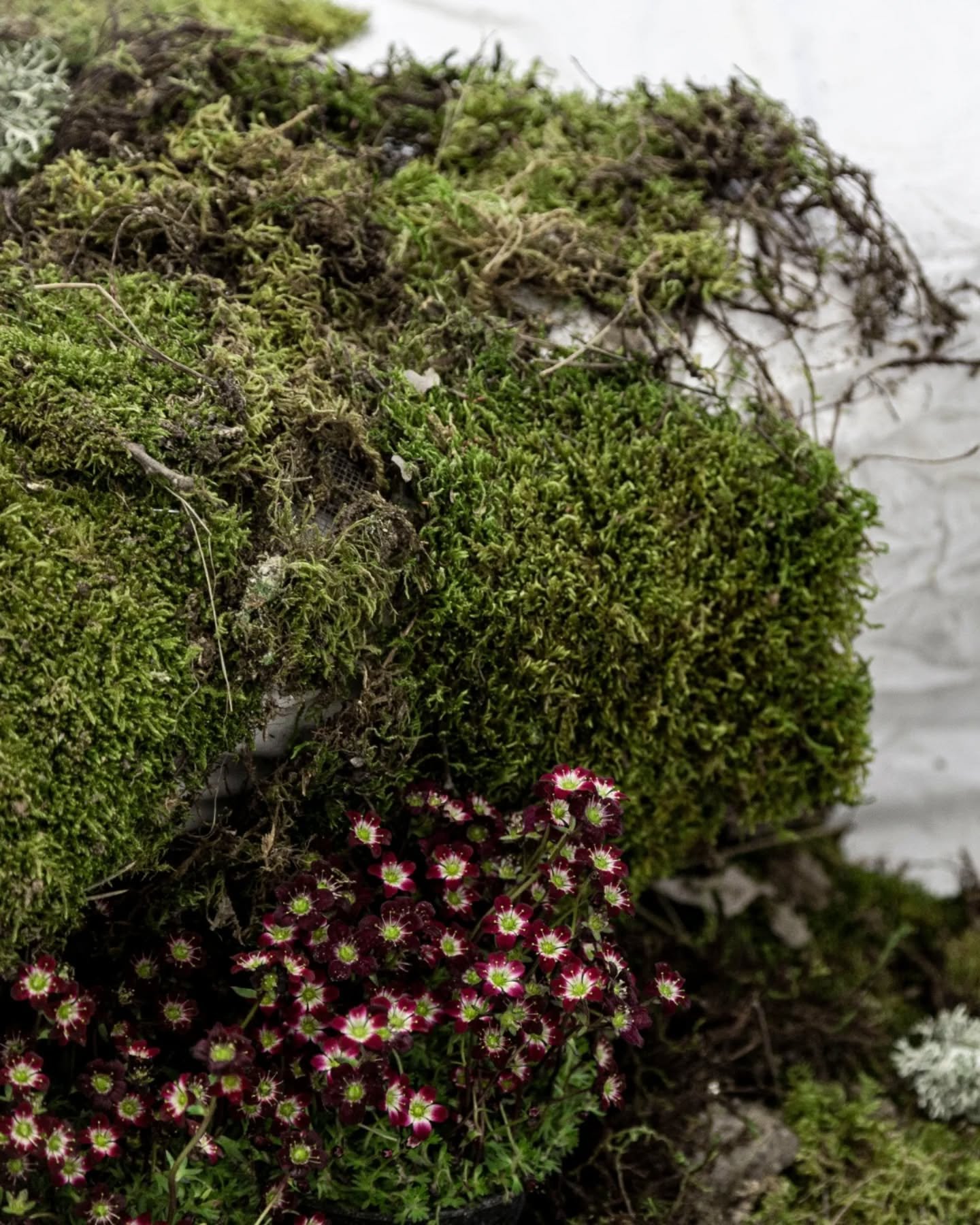
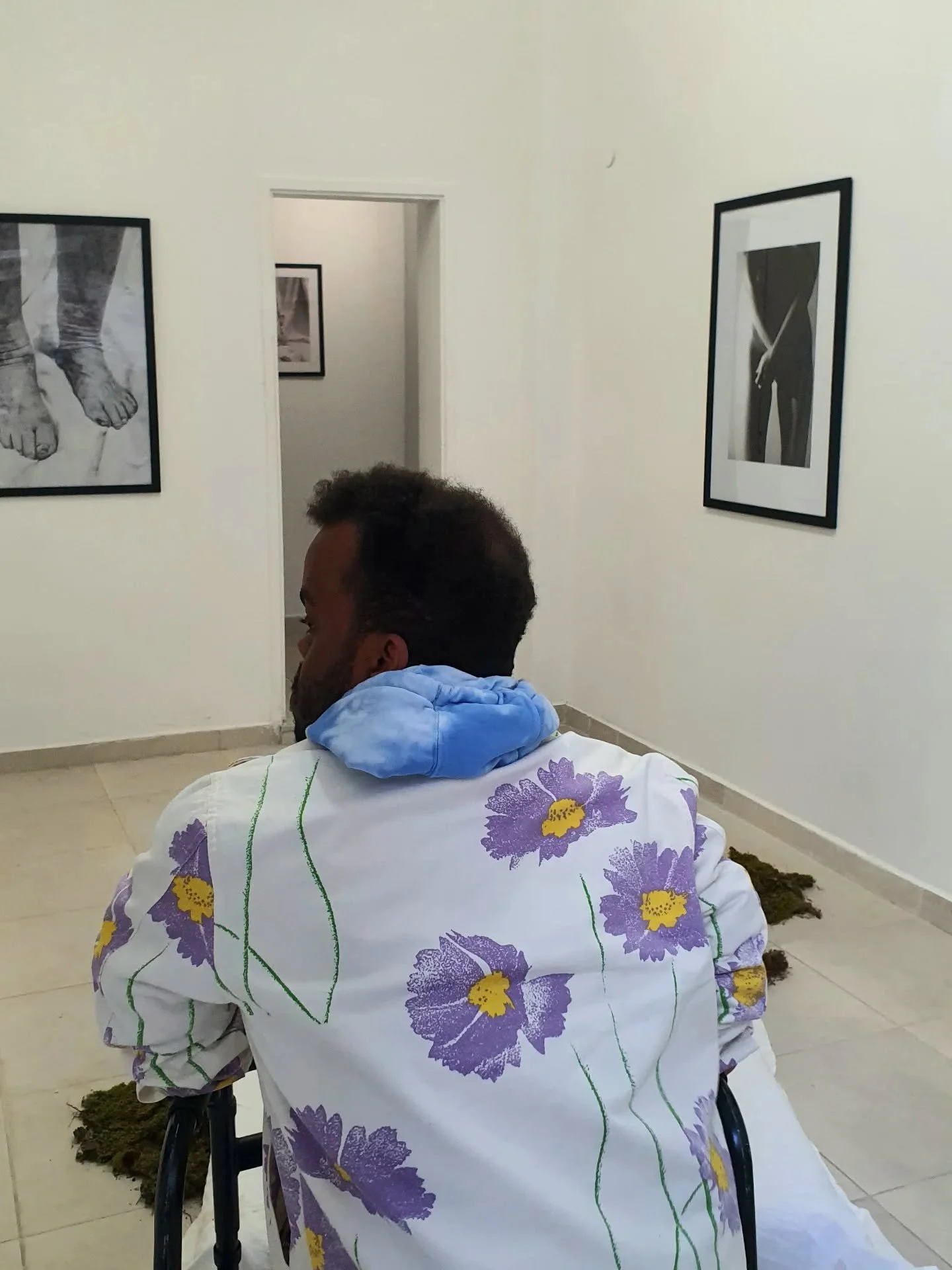
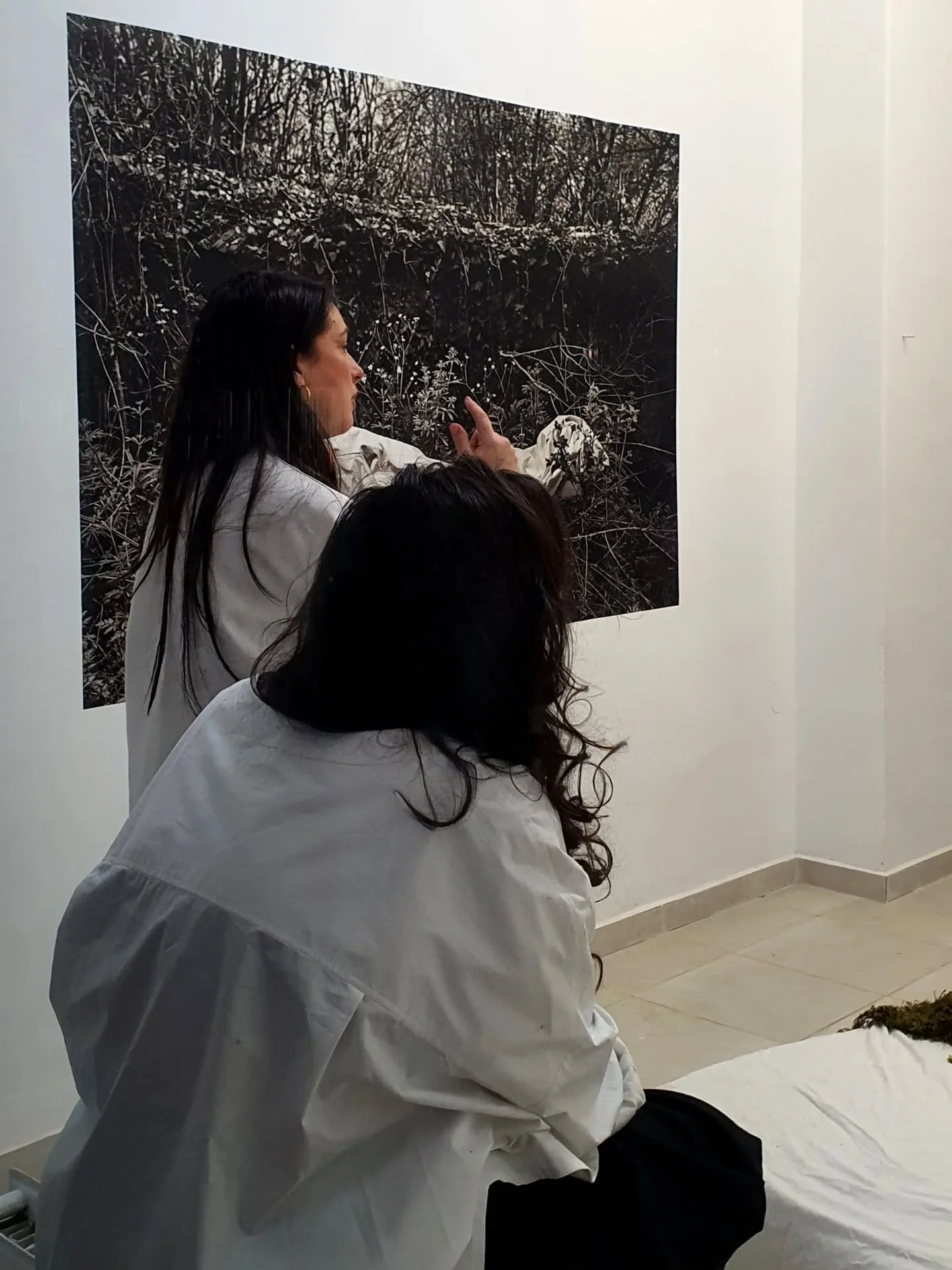
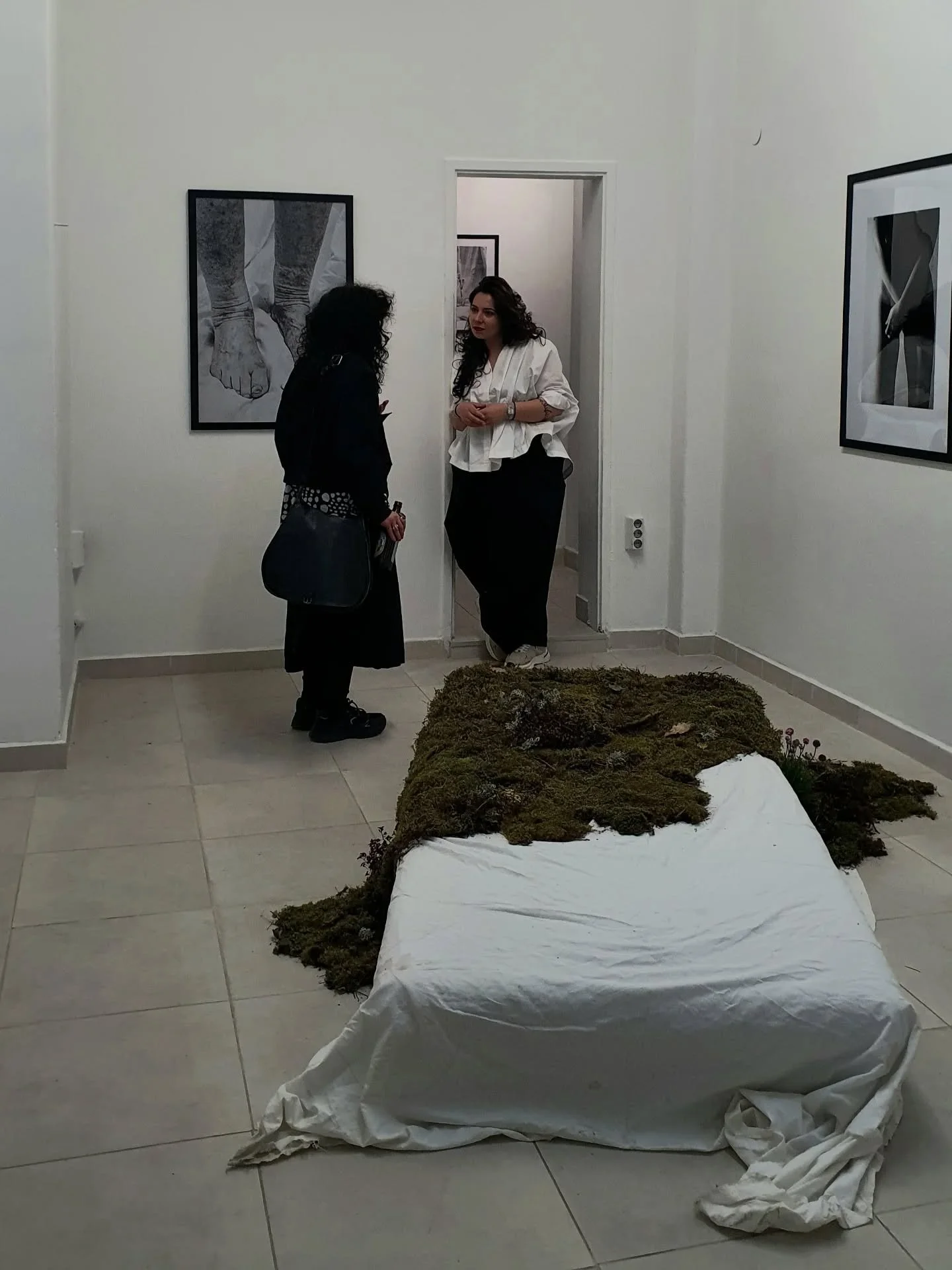
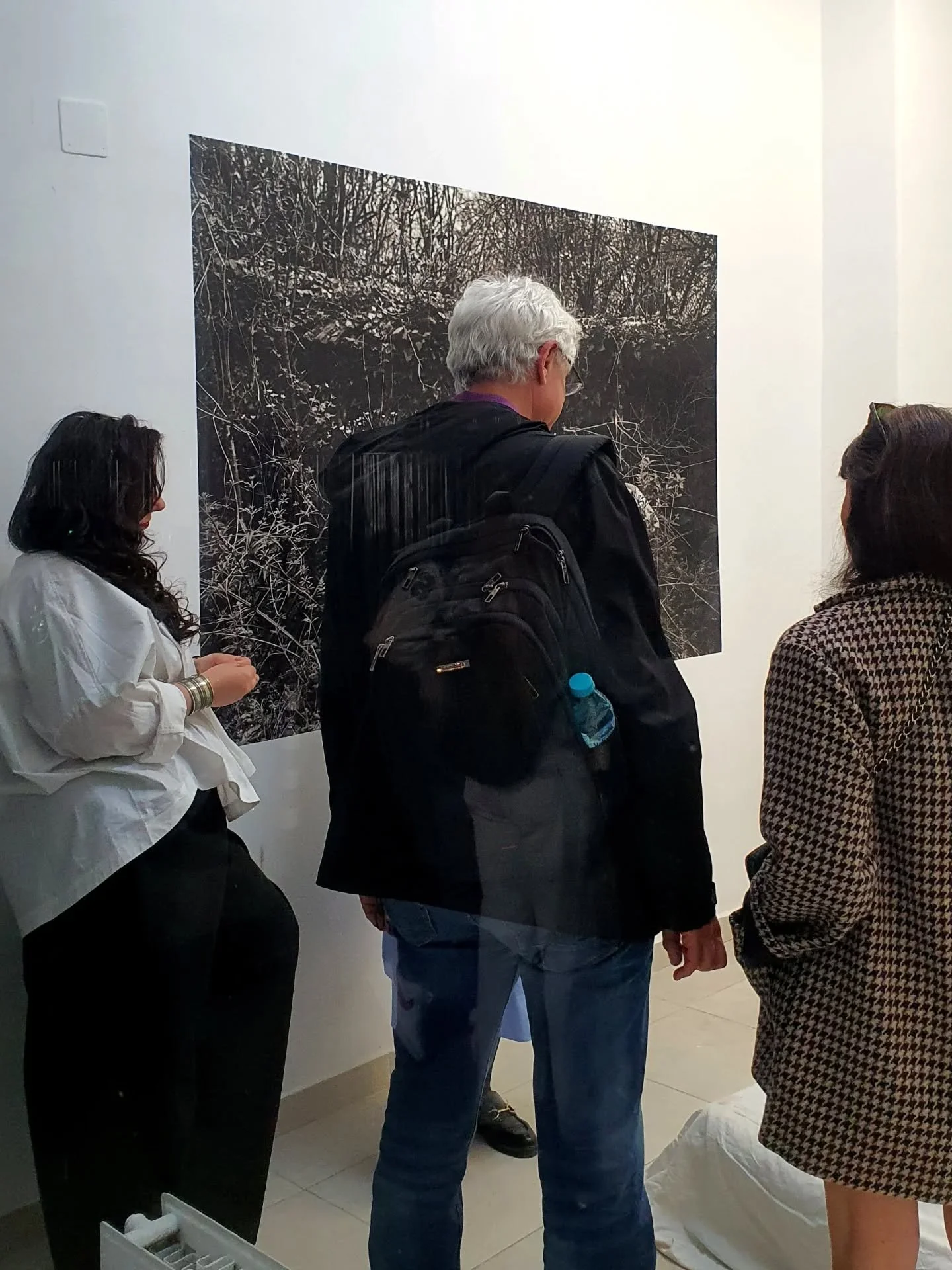
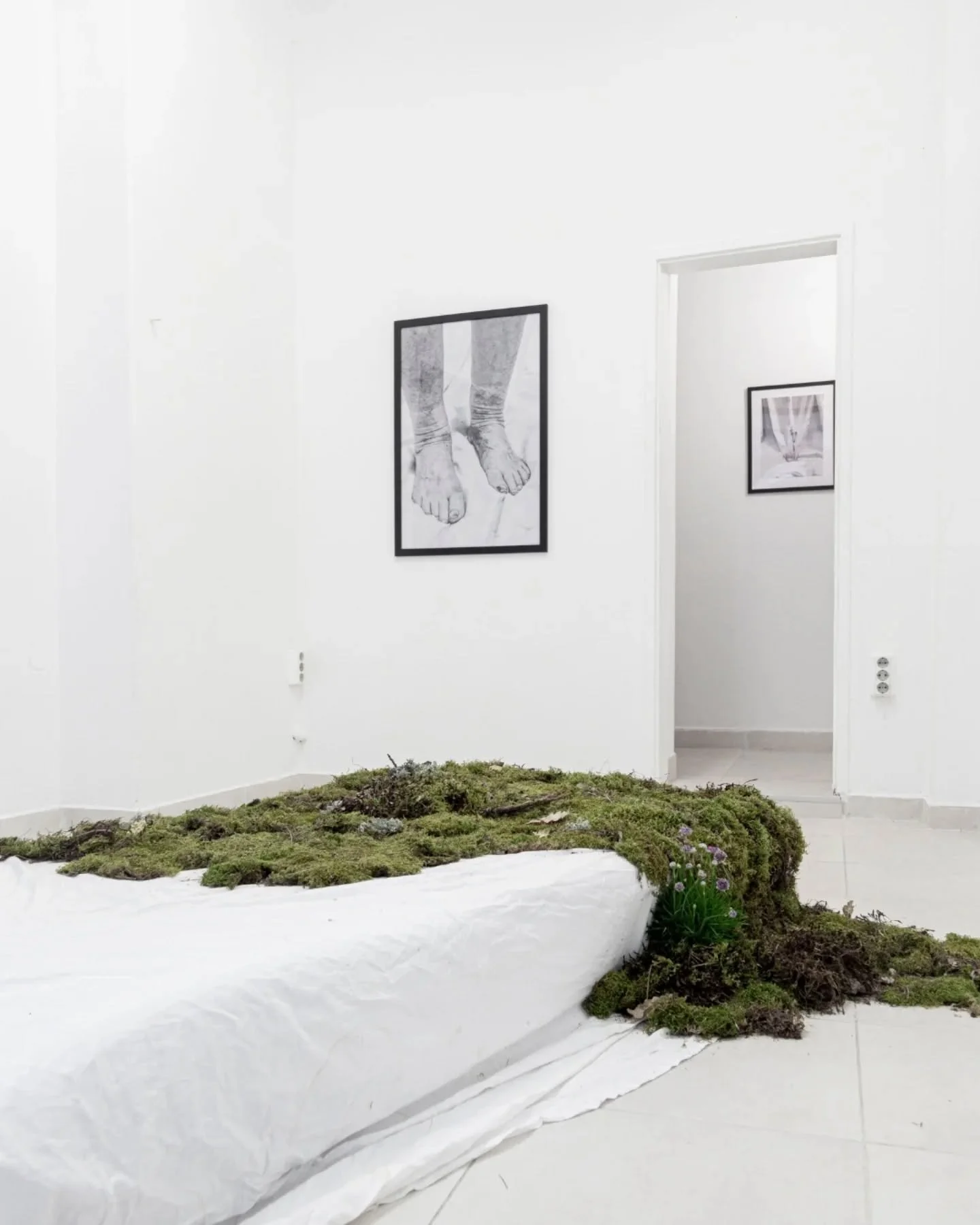
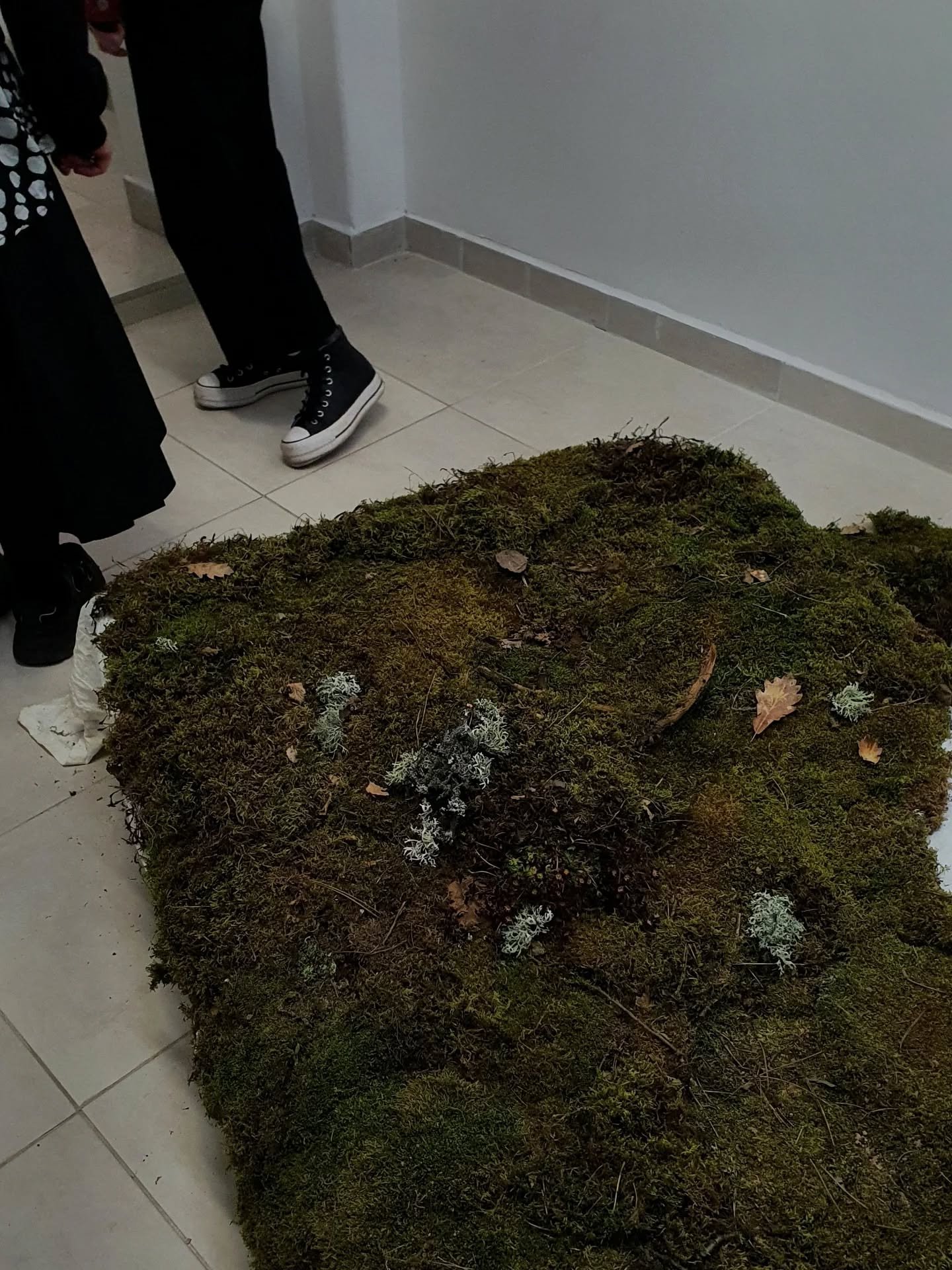
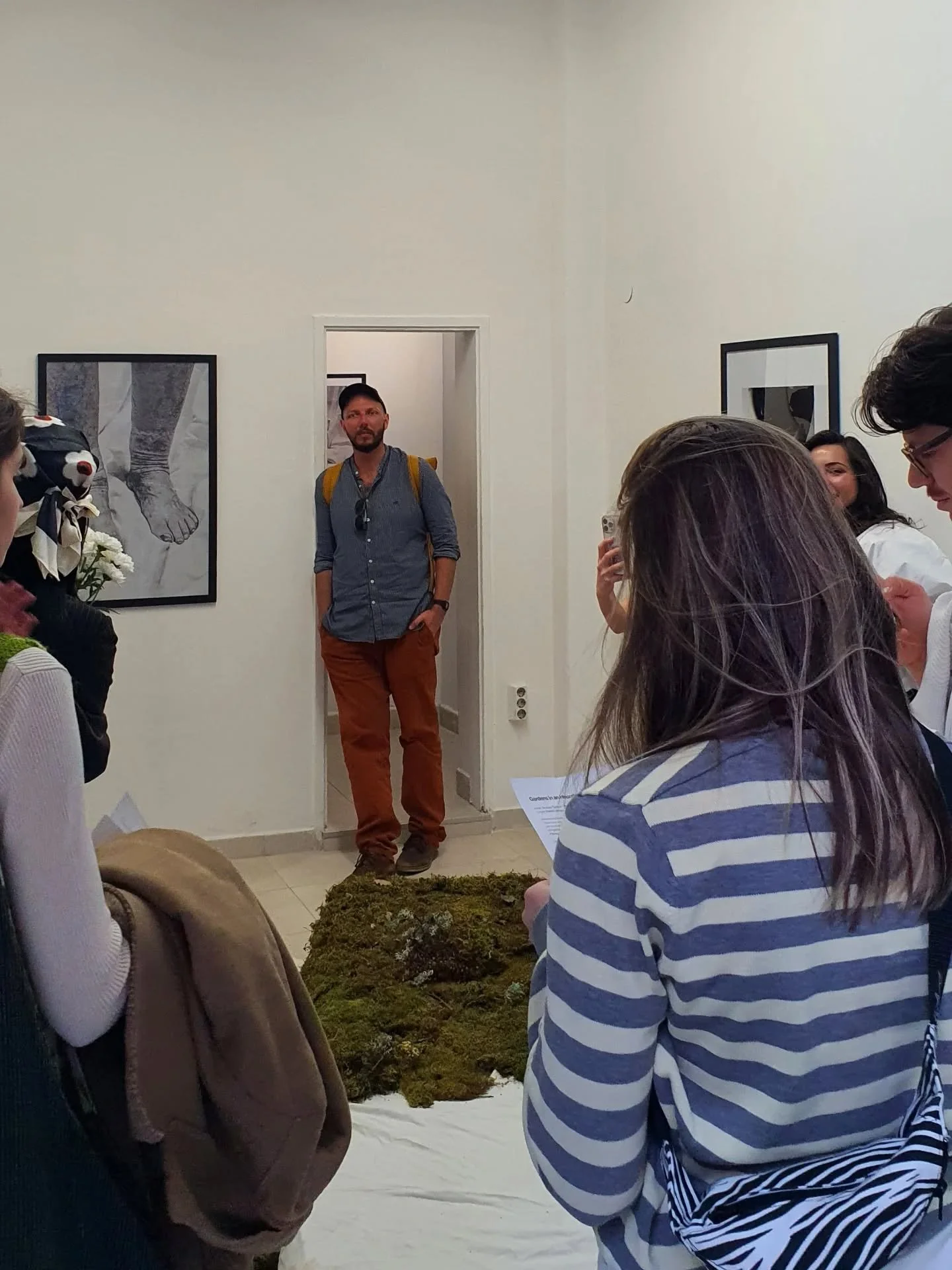
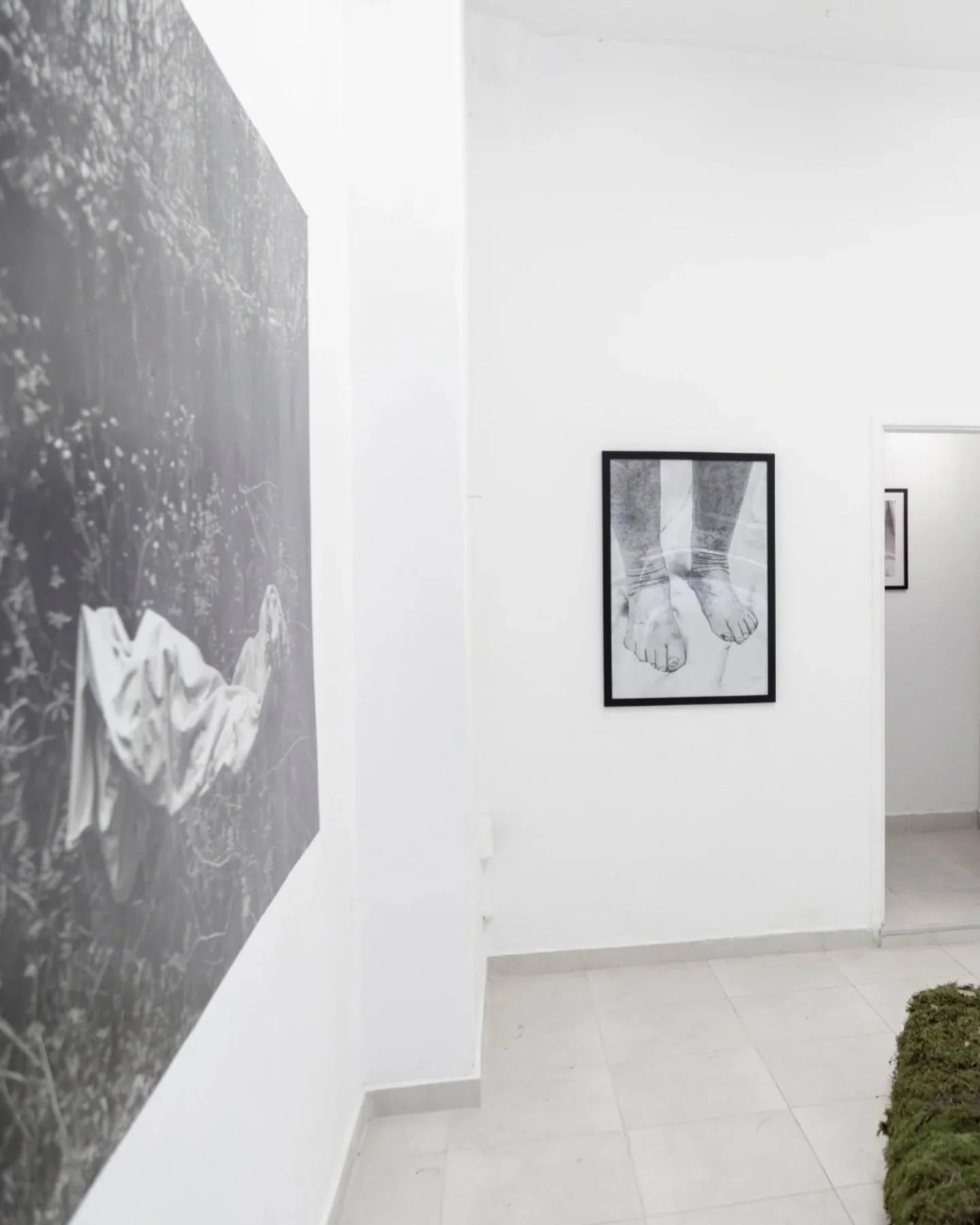
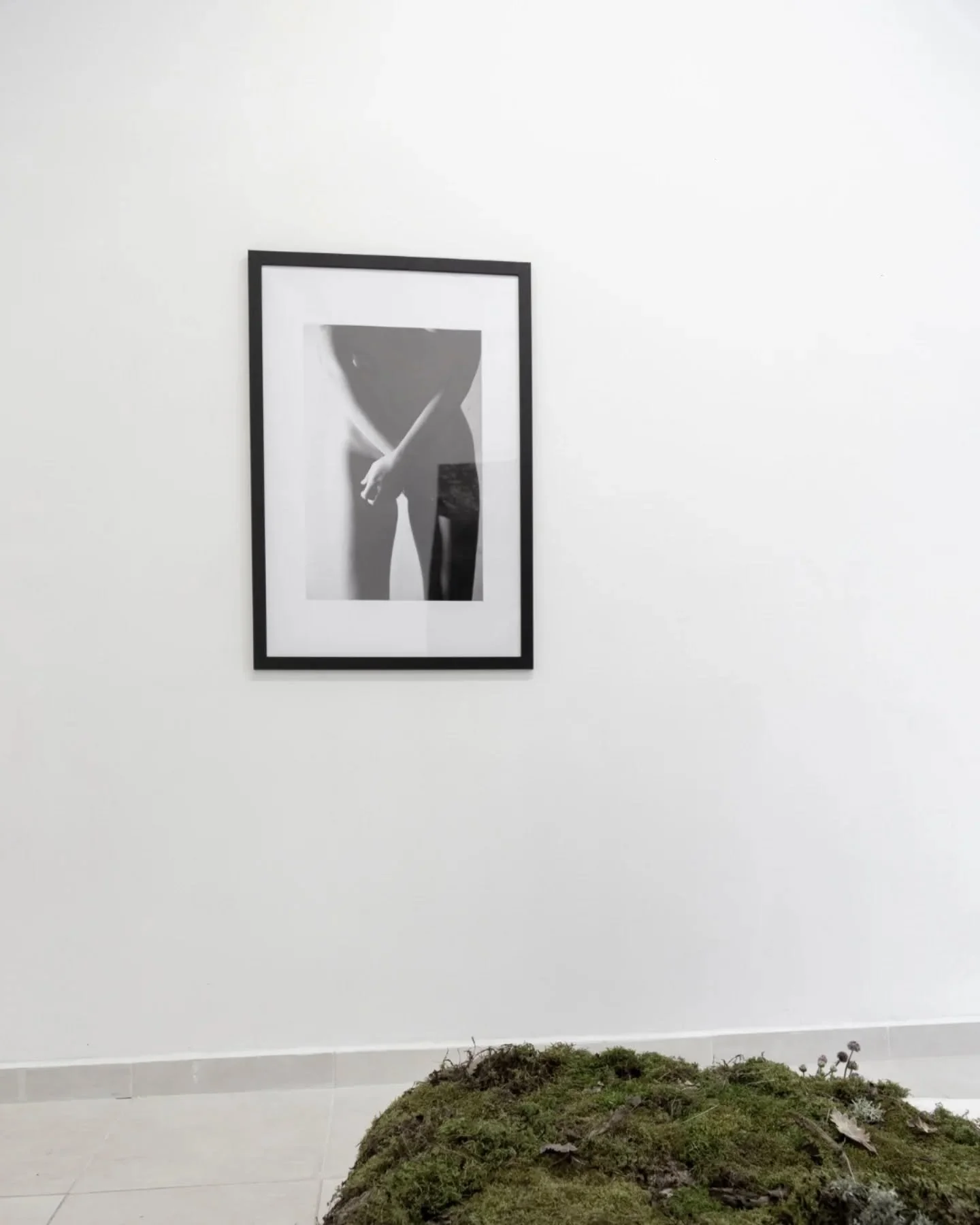
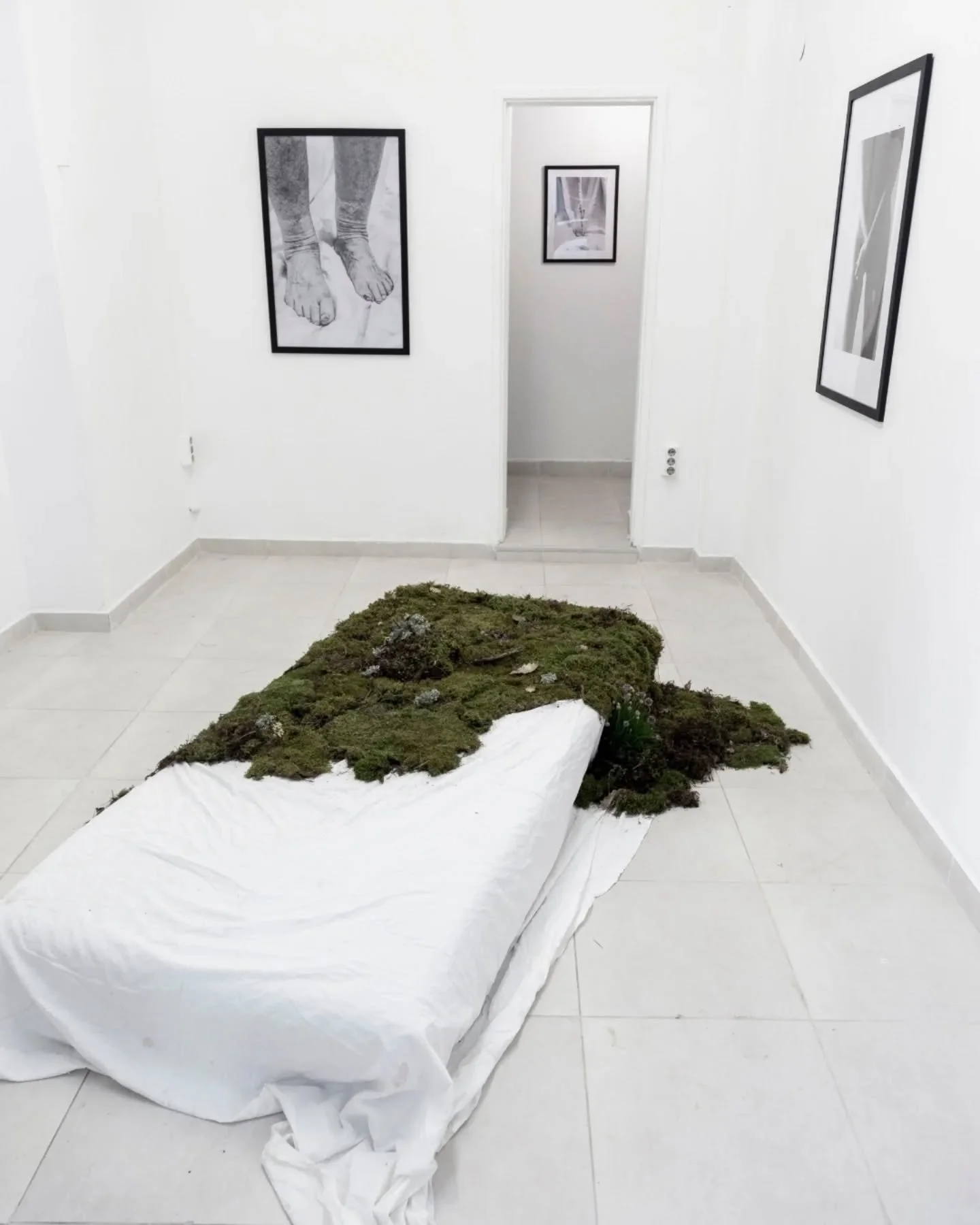
In Gardens in an Hourglass, Teodora Tsanova – Fedya creates a space in which the vegetal is not a decorative motif but an autonomous system of memory. Plants slowly take over the gallery space - enveloping it, layering it, turning it into a bed of memories. Here, the garden is not a landscape, but an autobiographical territory.
If the archive traditionally implies institutionalized memory, here the plant proposes an alternative archival logic - seasonal and vulnerable, dependent on its environment, a personal ecosystem. An archive that can dry out, disintegrate, be carried away by the wind. An ecosystem of memories flows through hourglasses. The herbarium - that classical gesture of preservation - appears as an attempt to halt time, but also to extend it into another form. Memory is not nostalgia; it is continuation. Roots unfold an underground network of interconnections, reminding us that every personal story is intertwined with others.
A personal ecosystem of preservation. An archive that can dry out, disintegrate, be carried away by the wind.
In Gardens in an Hourglass, Fedya does not simply present an installation with plants. These are traces of her family history and present. A space of encounter - not so much between us and the work, but between different temporalities within ourselves. An encounter with loss, not dramatized but cultivated; with what can be gently gathered, like seeds in the palm of a hand.
Here, healing is not a promise, but a process - like planting. Something is placed in the soil, something sprouts, something else withers. Part of what has been lived remains - in a leaf, a root, a scent. The rest disintegrates, is carried away, and becomes a future beginning.
In this sense, the exhibition proposes an ethics of letting go: to preserve what sustains us, and to leave to the wind what we can no longer carry. The garden in the hourglass does not stop time - it turns it into soil.