
Past Shows
![[RESIDENCY TITLE] poster](data:image/svg+xml;base64,PHN2ZyB4bWxucz0iaHR0cDovL3d3dy53My5vcmcvMjAwMC9zdmciIHdpZHRoPSI5MDAiIGhlaWdodD0iNzAwIj48ZmlsdGVyIGlkPSJuIj48ZmVUdXJidWxlbmNlIHR5cGU9ImZyYWN0YWxOb2lzZSIgYmFzZUZyZXF1ZW5jeT0iMC44NSIgbnVtT2N0YXZlcz0iMyIgc3RpdGNoVGlsZXM9InN0aXRjaCIgcmVzdWx0PSJub2lzZSIvPjxmZUNvbG9yTWF0cml4IGluPSJub2lzZSIgdHlwZT0ibWF0cml4IiB2YWx1ZXM9IjAgMCAwIDAgMCAgMCAwIDAgMCAwICAwIDAgMCAwIDAgIDAuOTUgMC45NSAwLjk1IDAgMCIvPjwvZmlsdGVyPjxyZWN0IHdpZHRoPSIxMDAlIiBoZWlnaHQ9IjEwMCUiIGZpbGw9IiMwYTBhMGEiLz48cmVjdCB3aWR0aD0iMTAwJSIgaGVpZ2h0PSIxMDAlIiBmaWx0ZXI9InVybCgjbikiIG9wYWNpdHk9IjAuNSIvPjxyZWN0IHdpZHRoPSIxMDAlIiBoZWlnaHQ9IjEwMCUiIGZpbGw9IiMwMDAiIG9wYWNpdHk9IjAuNDUiLz48L3N2Zz4K)
[RESIDENCY TITLE]
[First paragraph of residency text goes here.]
[Add as many additional paragraphs as needed — hidden until "Continue reading" is clicked.]
[RESIDENCY TITLE]
[First paragraph of residency text goes here.]
[Add as many additional paragraphs as needed — hidden until "Continue reading" is clicked.]
[RESIDENCY TITLE]
[First paragraph of residency text goes here.]
[Add as many additional paragraphs as needed — hidden until "Continue reading" is clicked.]
[RESIDENCY TITLE]
[First paragraph of residency text goes here.]
[Add as many additional paragraphs as needed — hidden until "Continue reading" is clicked.]

A Measure of Safety vs. Moral Ethics
[ADD SHOW TEXT HERE — this show isn't published with text yet on the live site. Write the first paragraph here; it stays visible before "Continue reading."]
[ADD SHOW TEXT HERE — add as many further paragraphs as needed; these stay hidden until "Continue reading" is clicked.]

How to Create with the Subconscious
[ADD SHOW TEXT HERE — this show isn't published with text yet on the live site. Write the first paragraph here; it stays visible before "Continue reading."]
[ADD SHOW TEXT HERE — add as many further paragraphs as needed; these stay hidden until "Continue reading" is clicked.]

Phantasmagorias
[ADD SHOW TEXT HERE — this show isn't published with text yet on the live site. Write the first paragraph here; it stays visible before "Continue reading."]
[ADD SHOW TEXT HERE — add as many further paragraphs as needed; these stay hidden until "Continue reading" is clicked.]

6 to 8 – Imaginary Playgrounds
6 to 8 – Imaginary Playgrounds is rawlab.xyz's exploration of how digital tools, electricity, and hands-on craft can come together to build spaces of invention for the imagination — playgrounds that exist as much in the mind as on the gallery floor.
Beyond the exhibition itself, the show unfolds over three public workshops:
Week 1 — Material Research: The Noise of Electricity · 15.05.2026 · 1 hour
Week 2 — Digital Weaving Workshop for Night of the Museums 2026 · 23.05.2026 · 13:00–24:00
Week 3 — Teach Your Machine · 28.05.2026 · 2 hours
Each session invites visitors to build alongside the artists, turning the gallery into an active studio rather than a fixed display — a playground in the most literal sense.
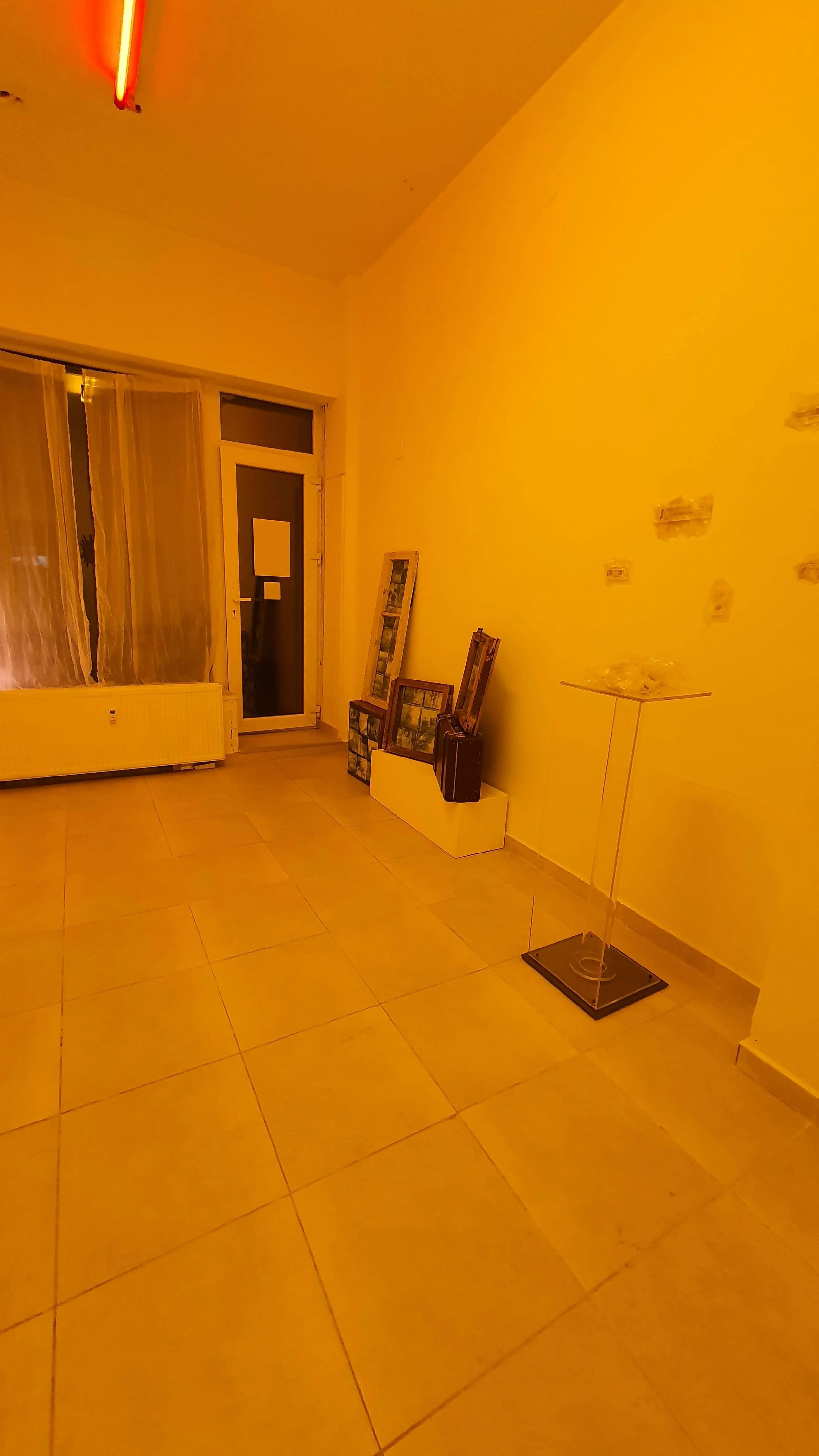
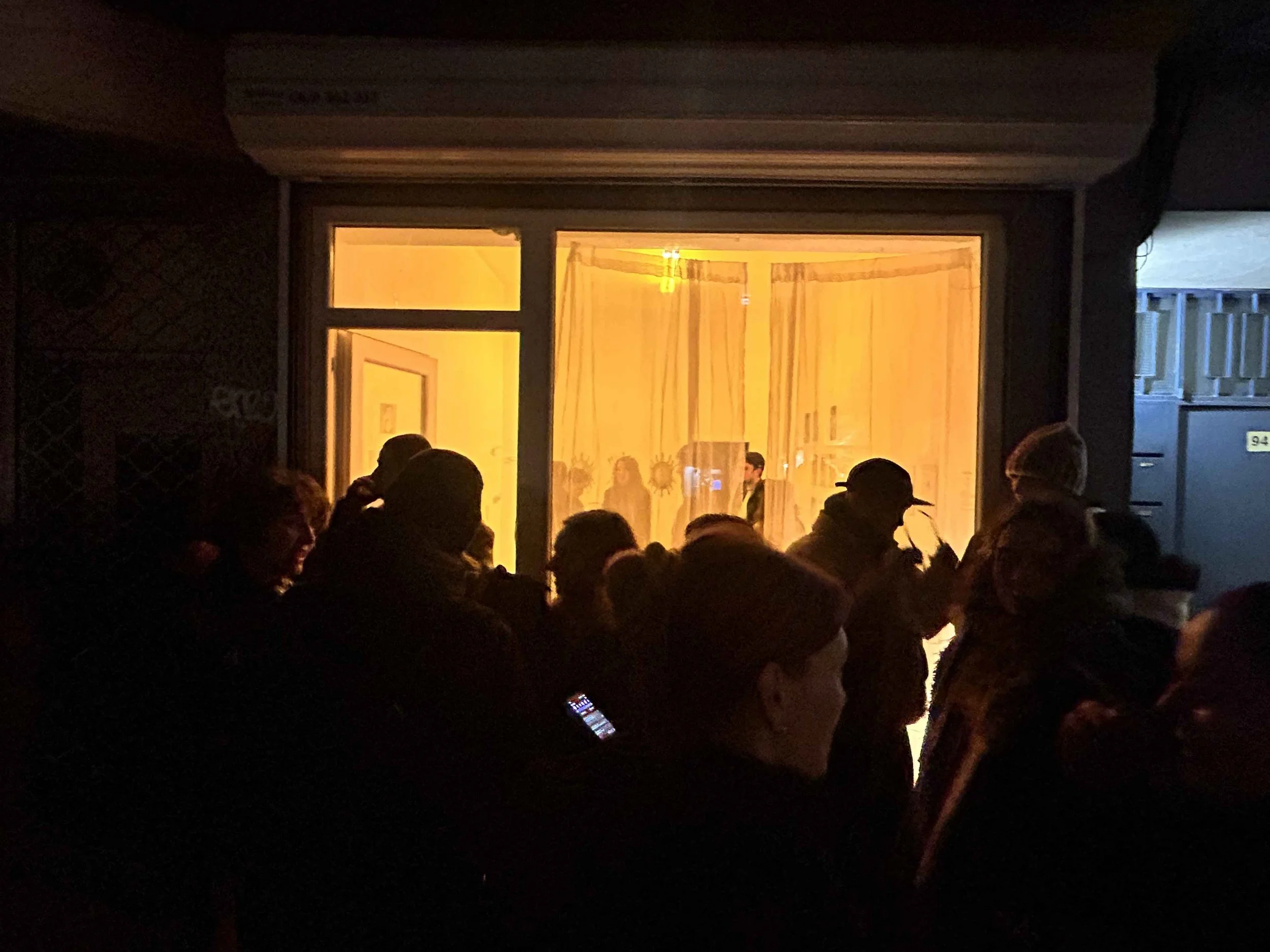

This World Hurts
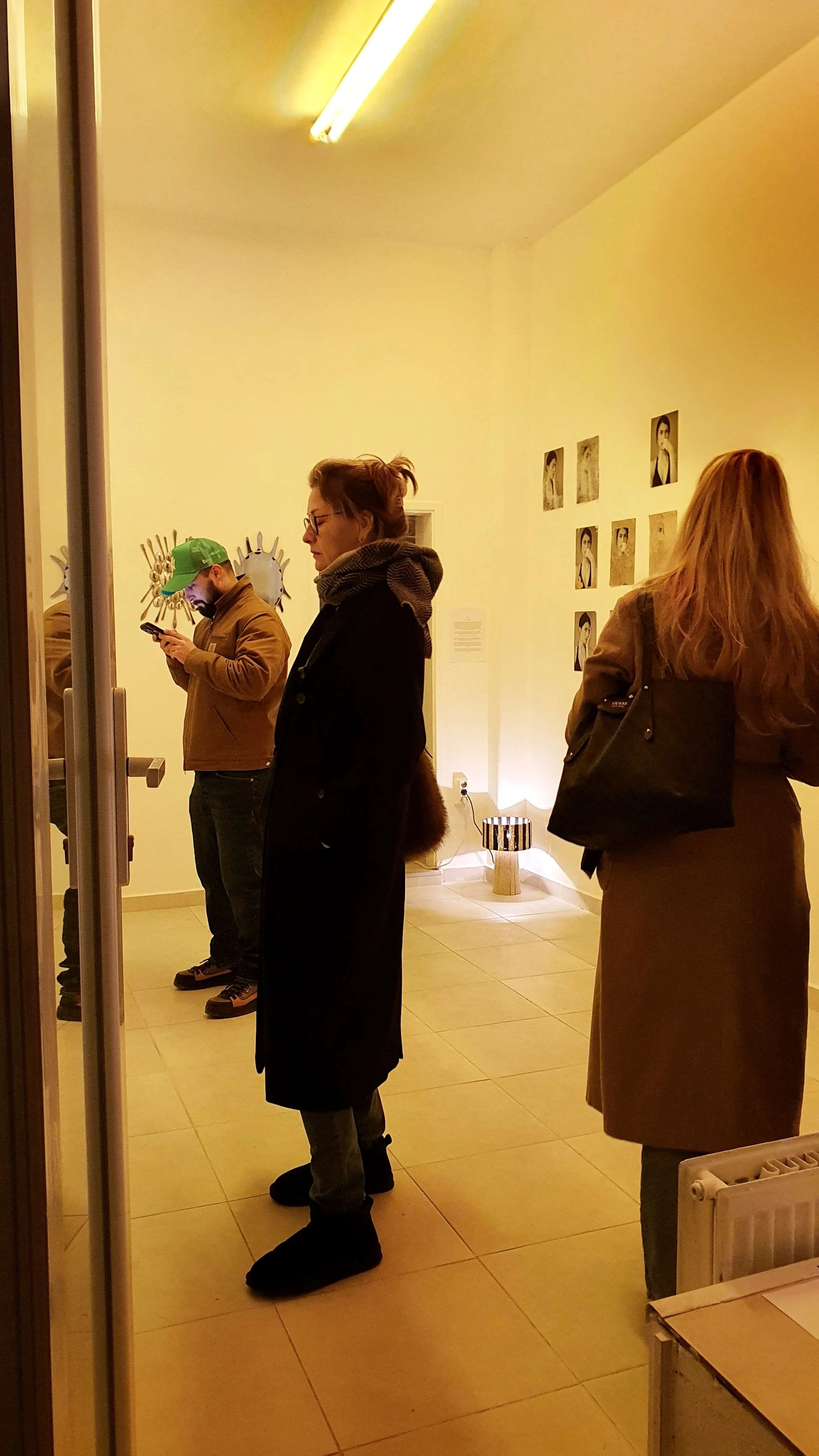
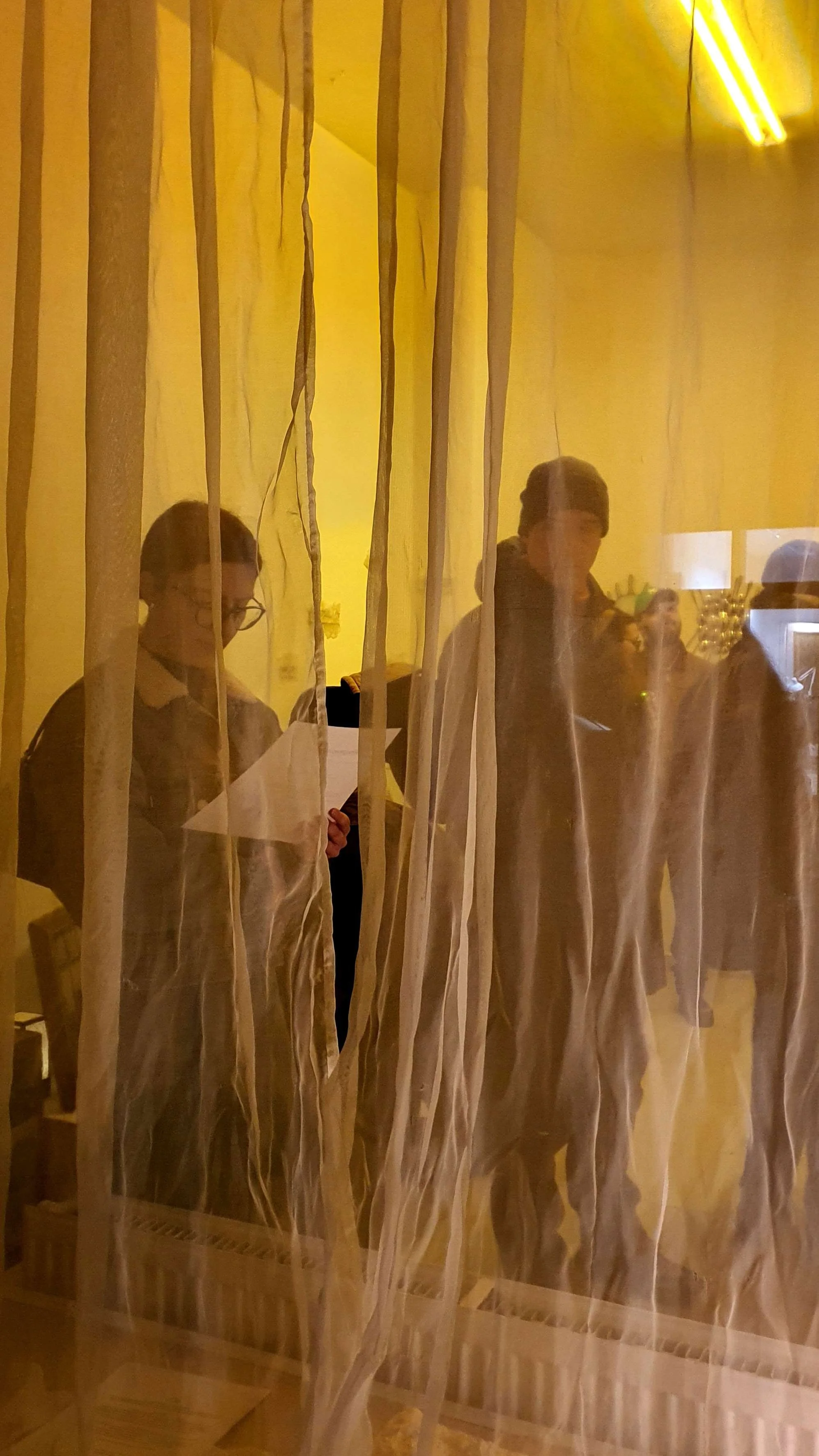
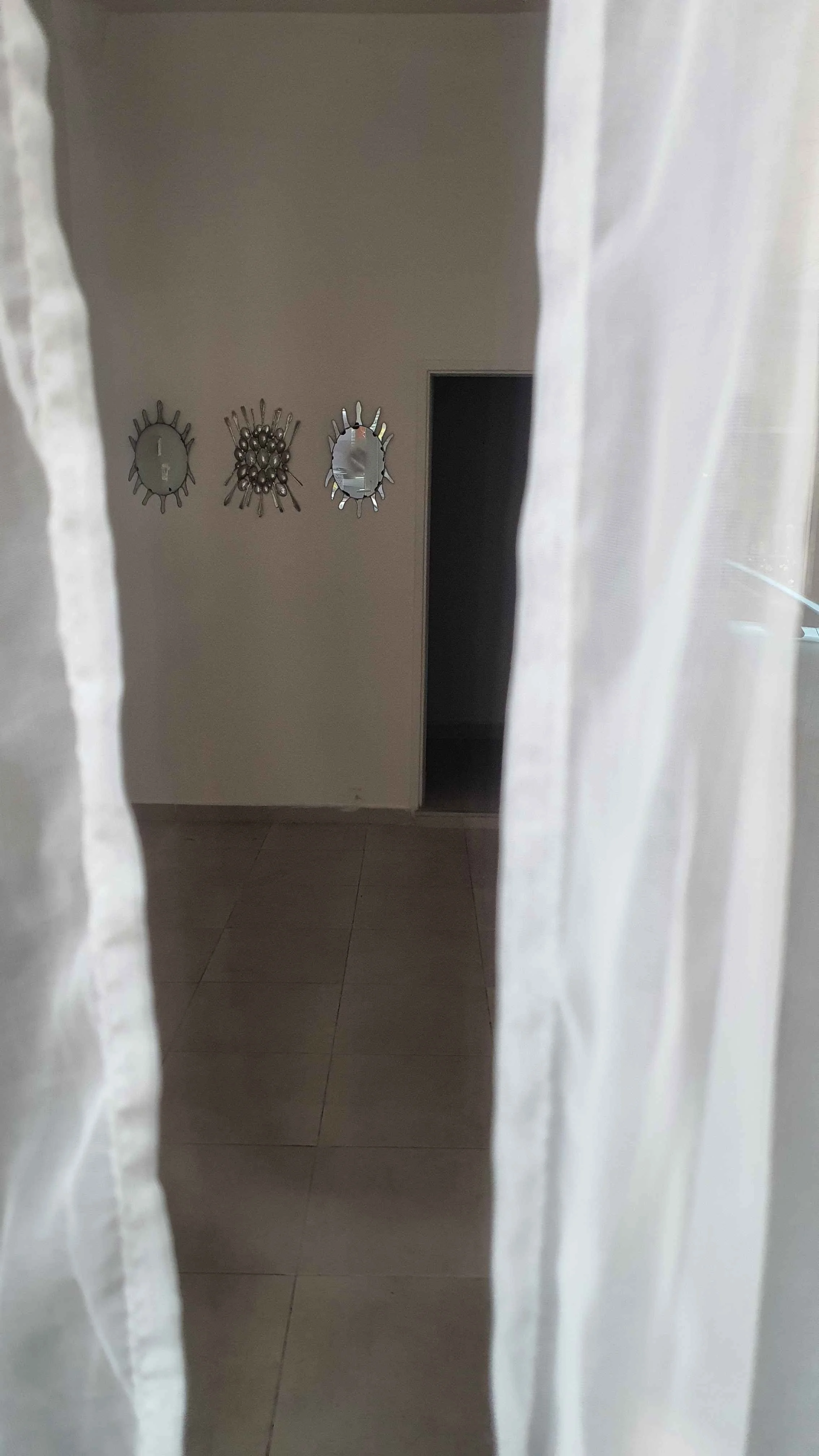
This World Hurts is a group exhibition presented as part of Sofia Underground 2026, bringing together seven artists whose work confronts pain, vulnerability, and the everyday violence — physical, emotional, political — that shapes contemporary life.
The exhibition was made possible with the support of Sofia Municipality and the Goethe-Institut Bulgaria, and forms part of a wider programme dedicated to experimental and socially engaged practice in the city.
Rather than offering easy resolution, the works in this show sit with discomfort. They ask viewers to stay present with difficulty — to look at what's often easier to look away from — while still finding moments of tenderness, humour, and solidarity within that difficulty.
Across painting, sculpture, sound, and mixed media, the artists trace the many shapes pain can take, and the many ways people carry, share, and survive it together.





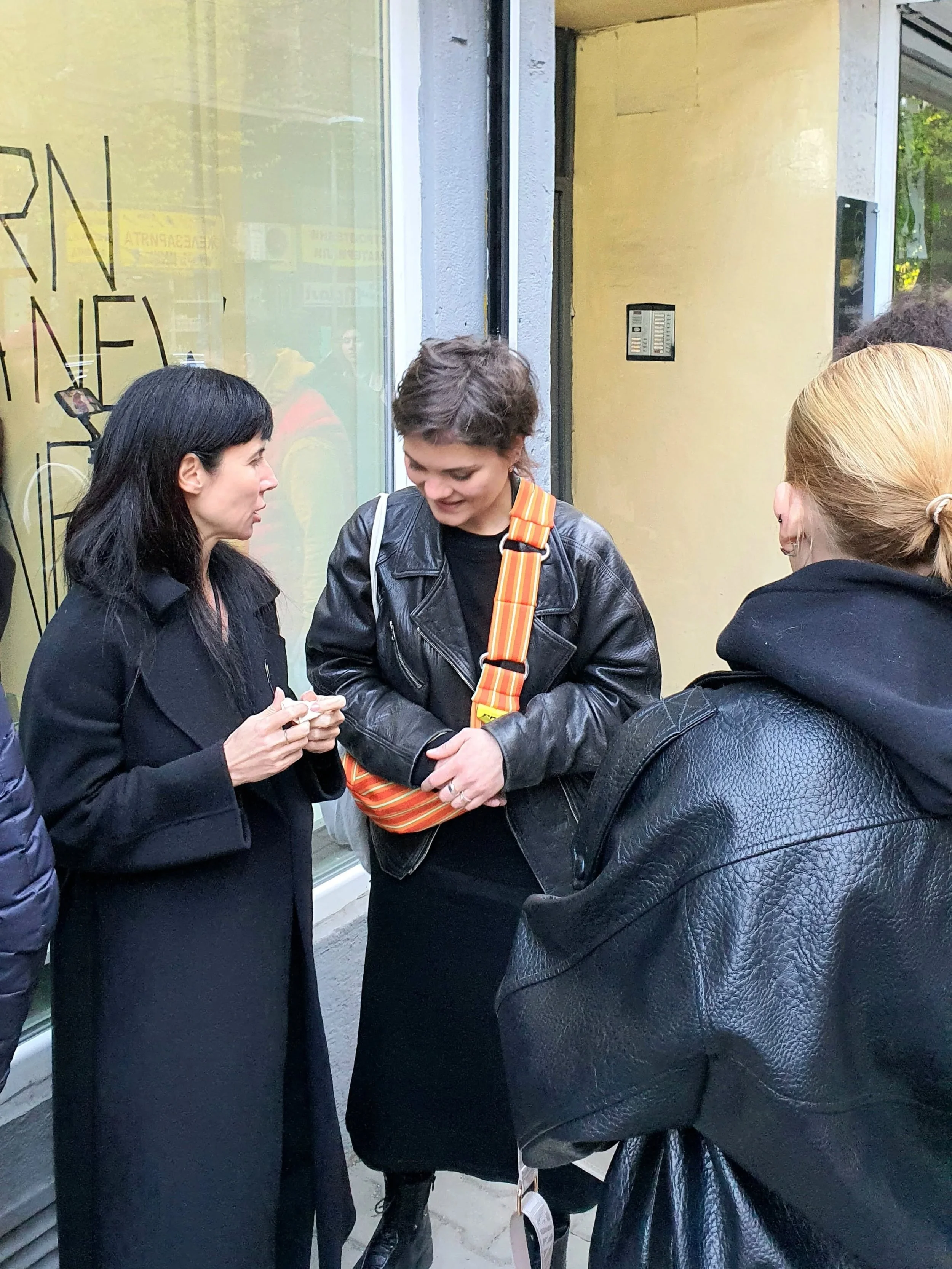

Gardens in an Hourglass
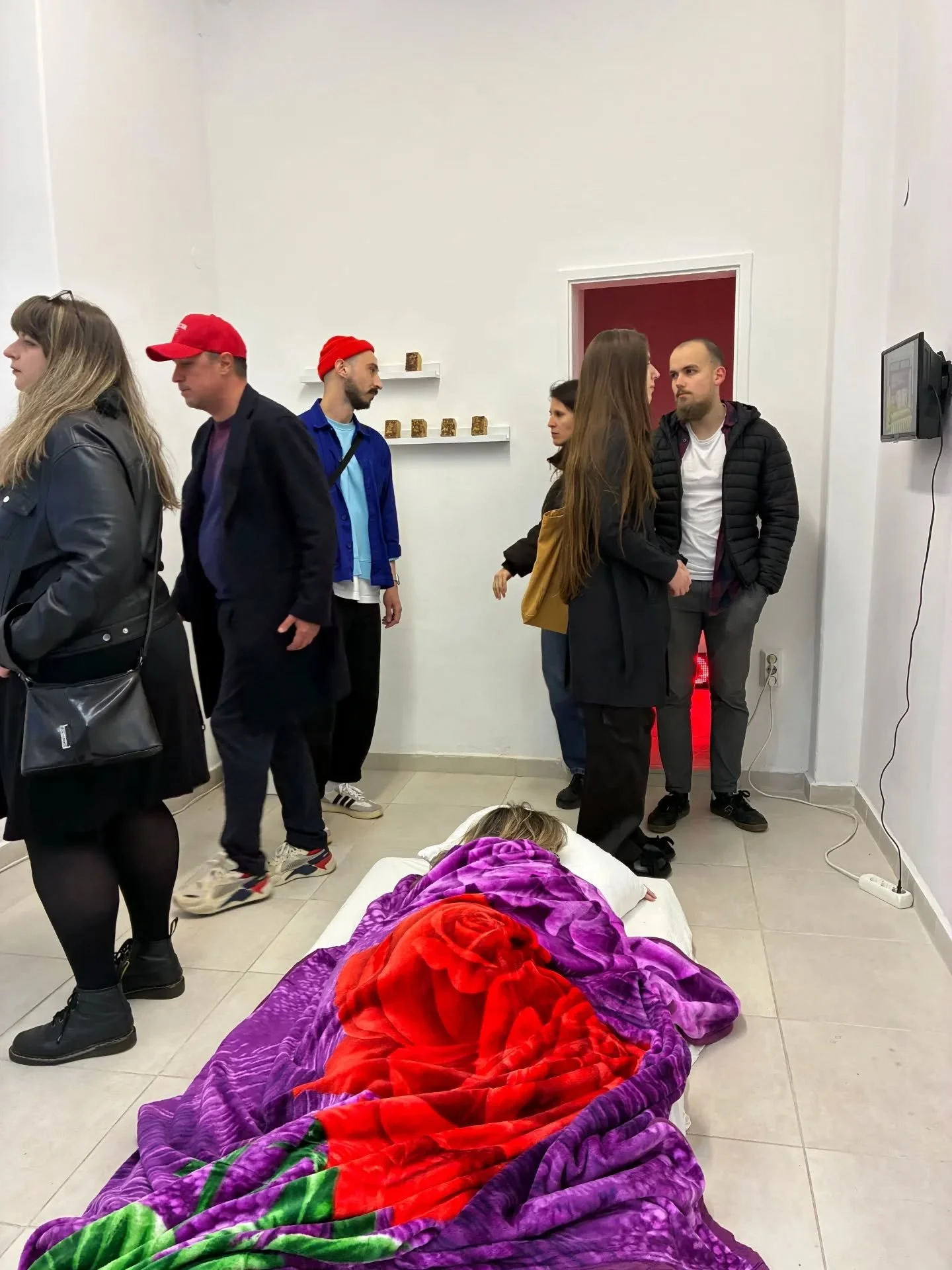
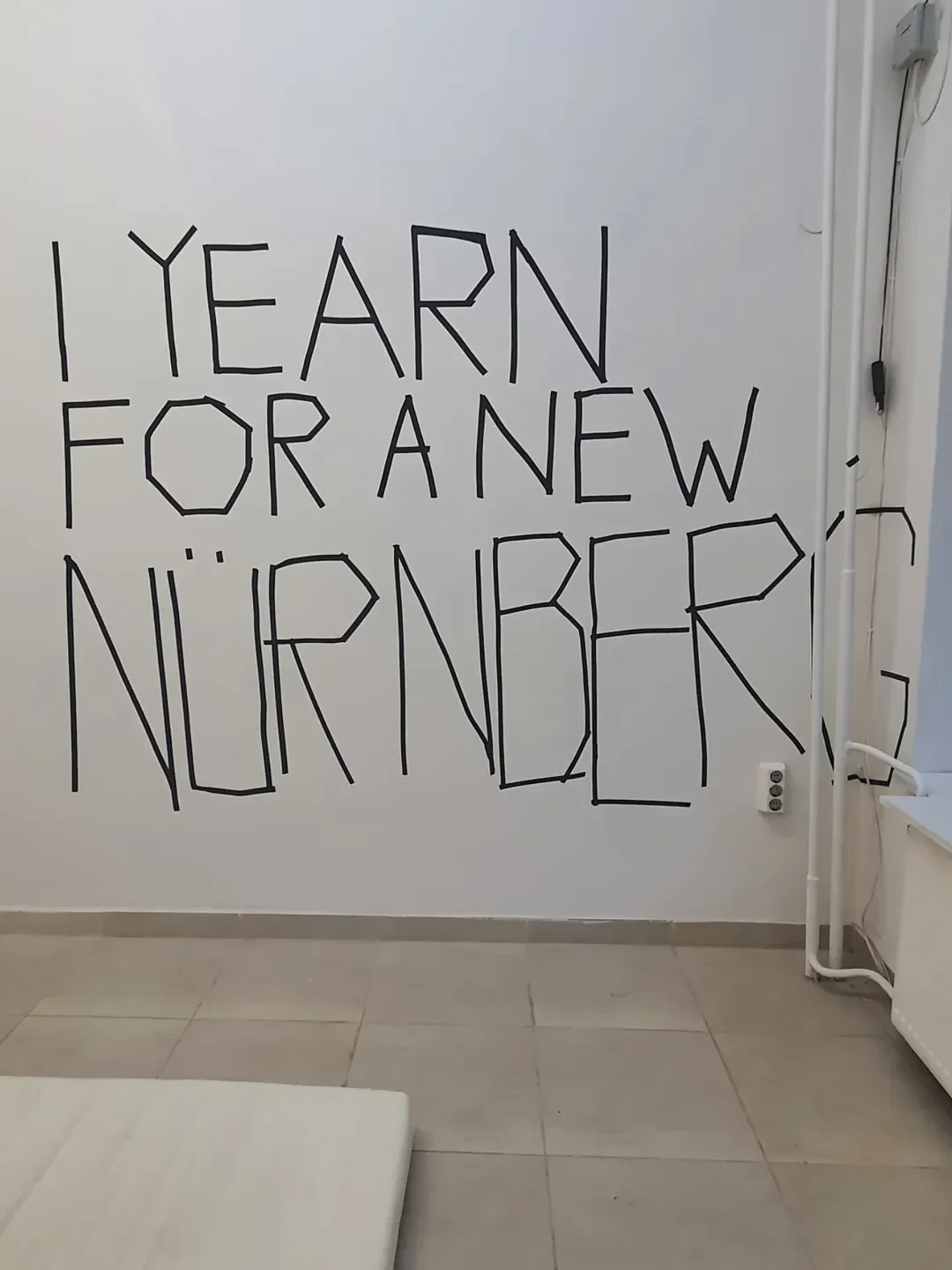
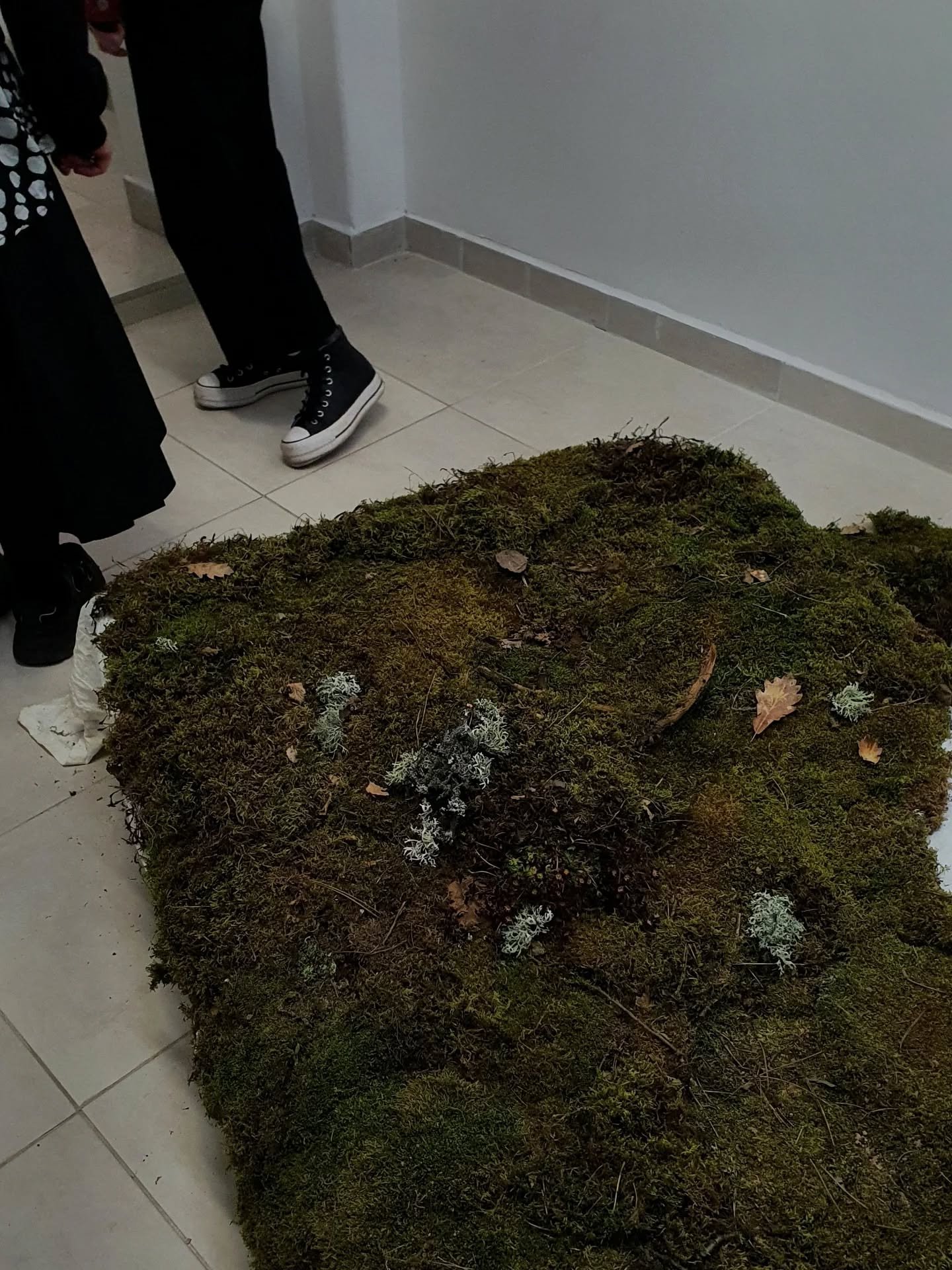
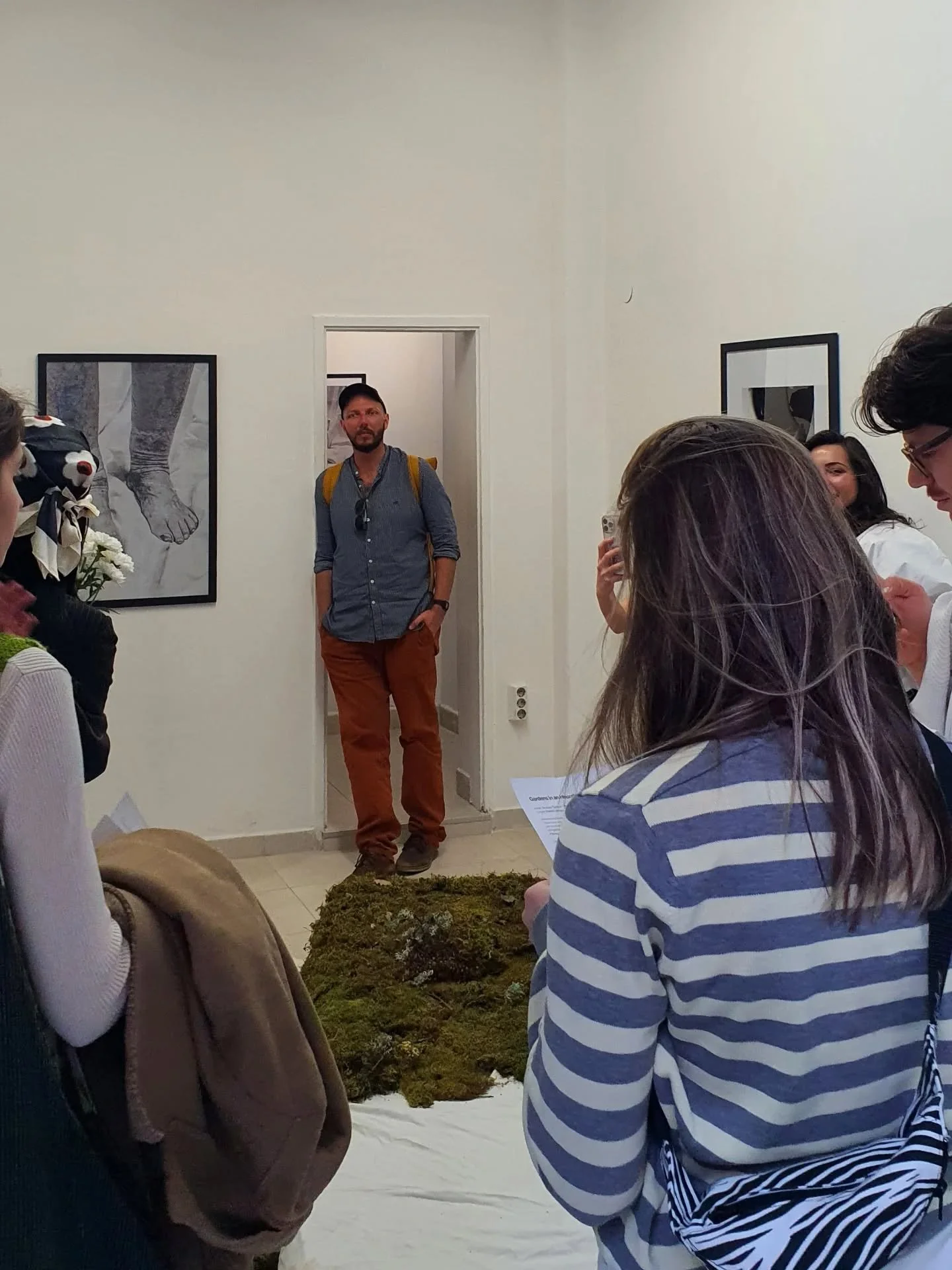
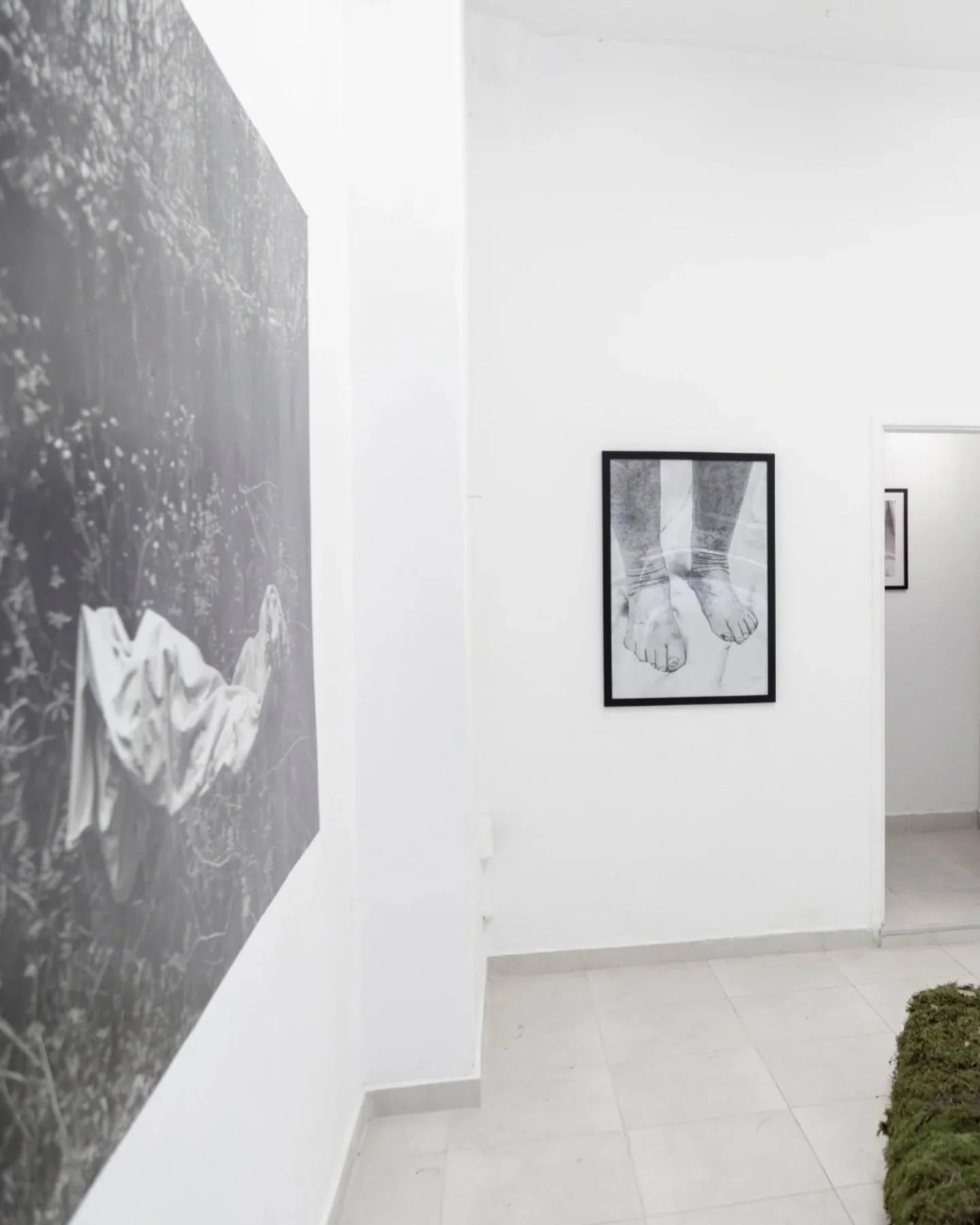
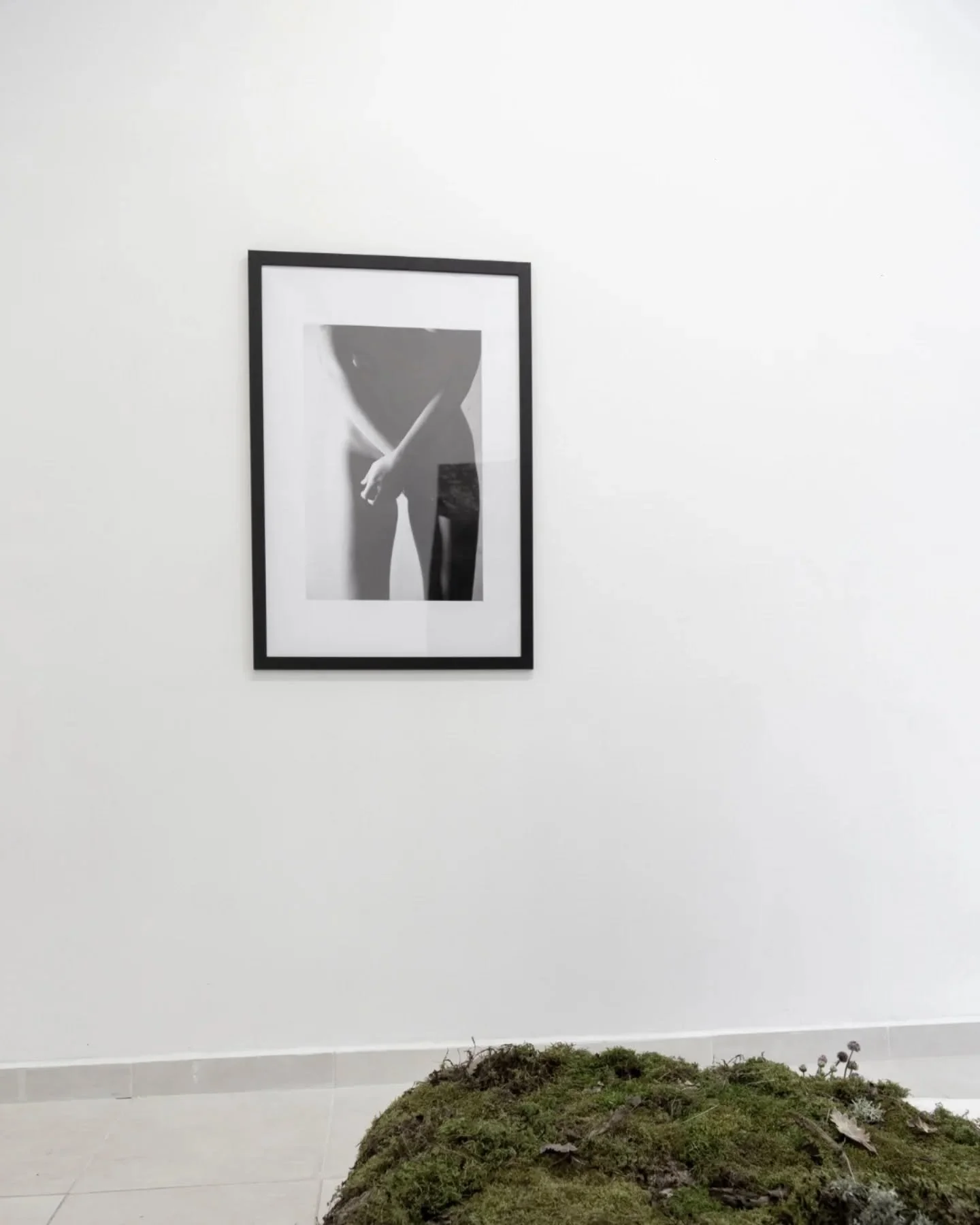
Gardens in an Hourglass is a solo exhibition by Teodora Tsanova (Fedya), an intimate meditation on memory, growth, and the quiet passage of time, told through the recurring image of the garden.
The exhibition takes its emotional cue from Lou Doillon's song "Widows" — "I am the gardener of my own sorrow" — and builds outward from there into a body of work that treats memory itself as something cultivated: tended, left to grow wild, occasionally pruned, sometimes lost to neglect.
Curator Reneta Georgieva frames the show as an archive of feeling — each piece a small plot of time, planted and revisited, where grief and tenderness are allowed to grow side by side rather than be resolved into one or the other.
Tsanova's garden is not a fixed place but a process: seasons turning inside an hourglass, sand and soil standing in for each other, the past constantly reseeding the present.




SIPHONOPHORA
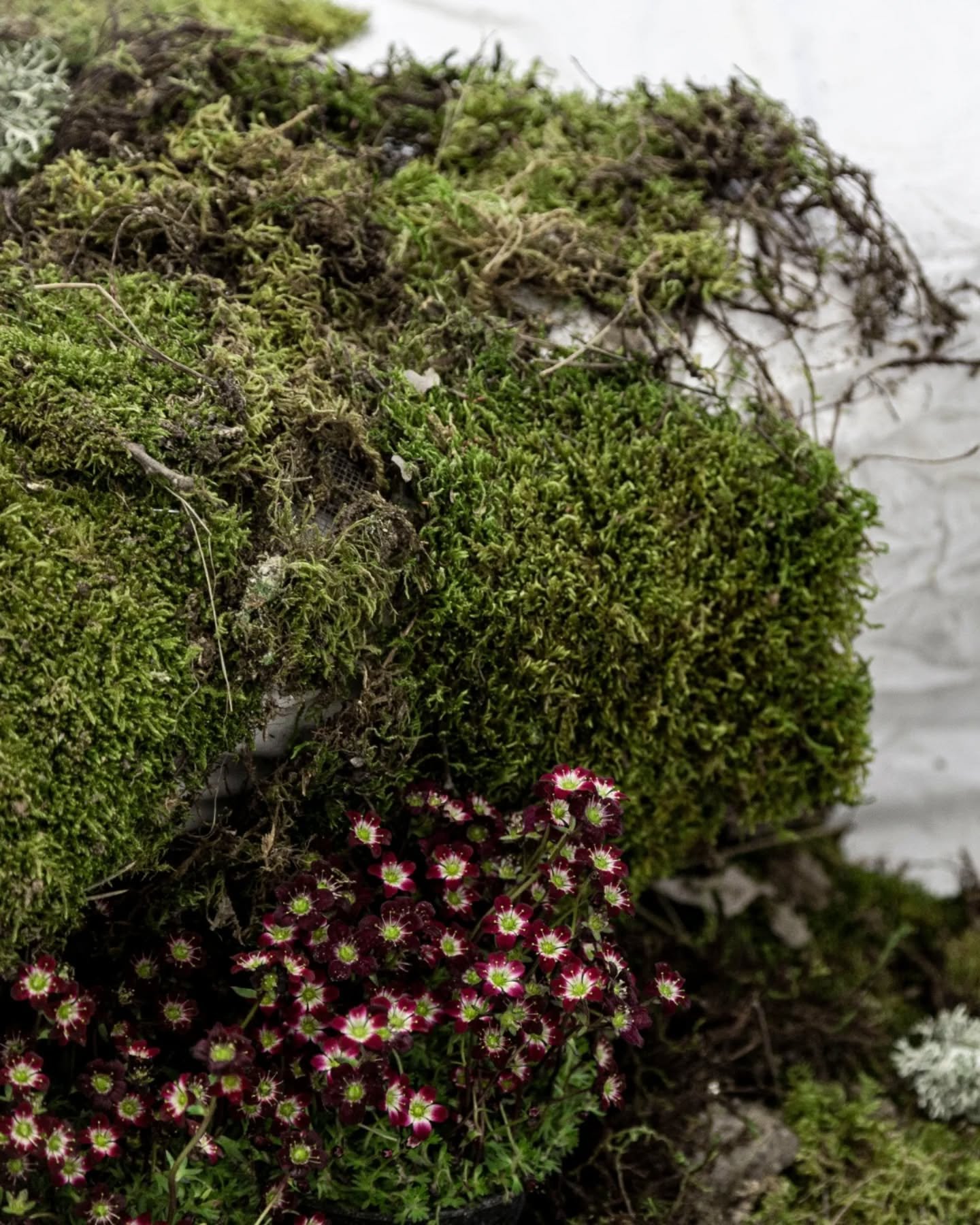
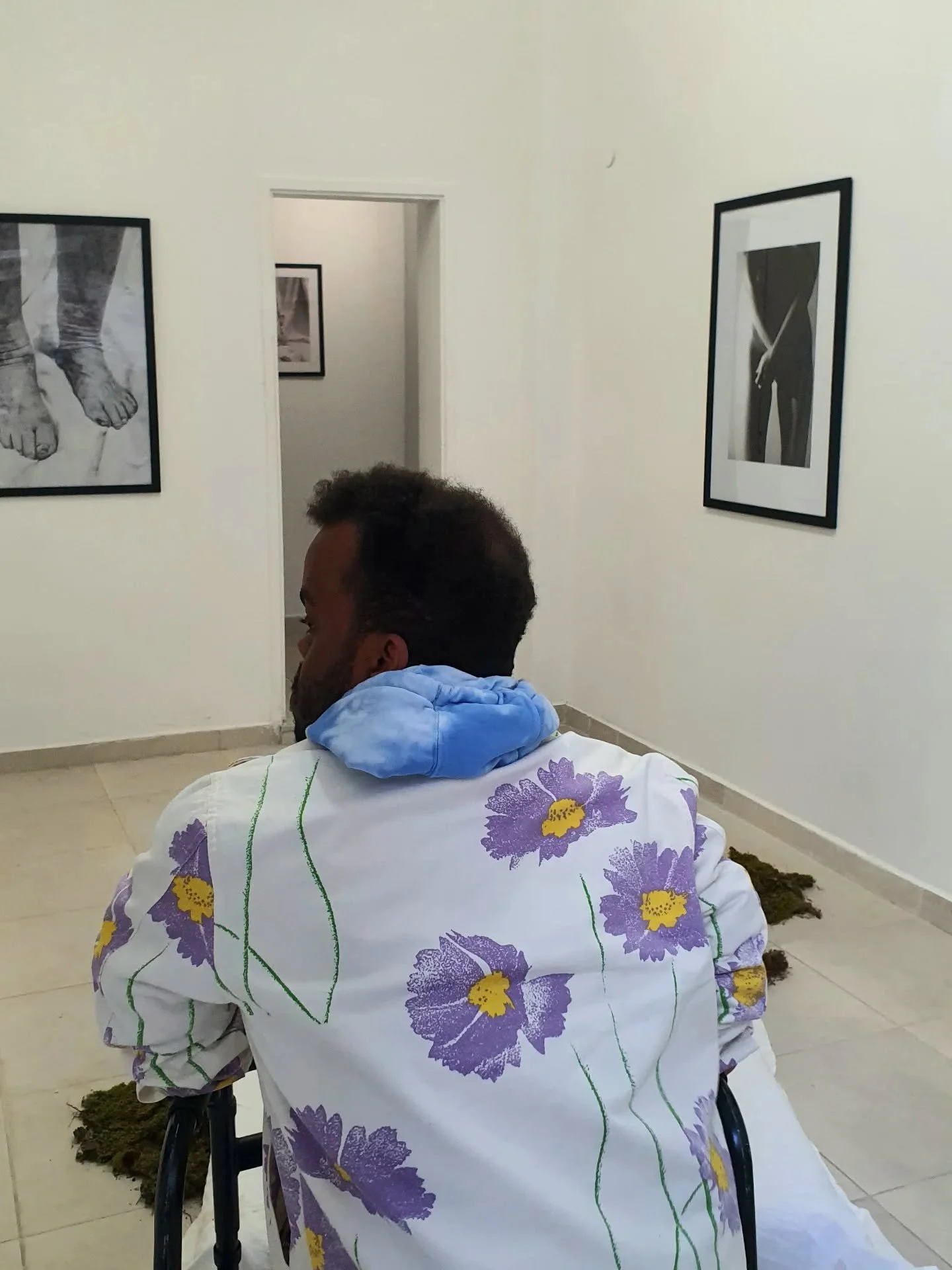
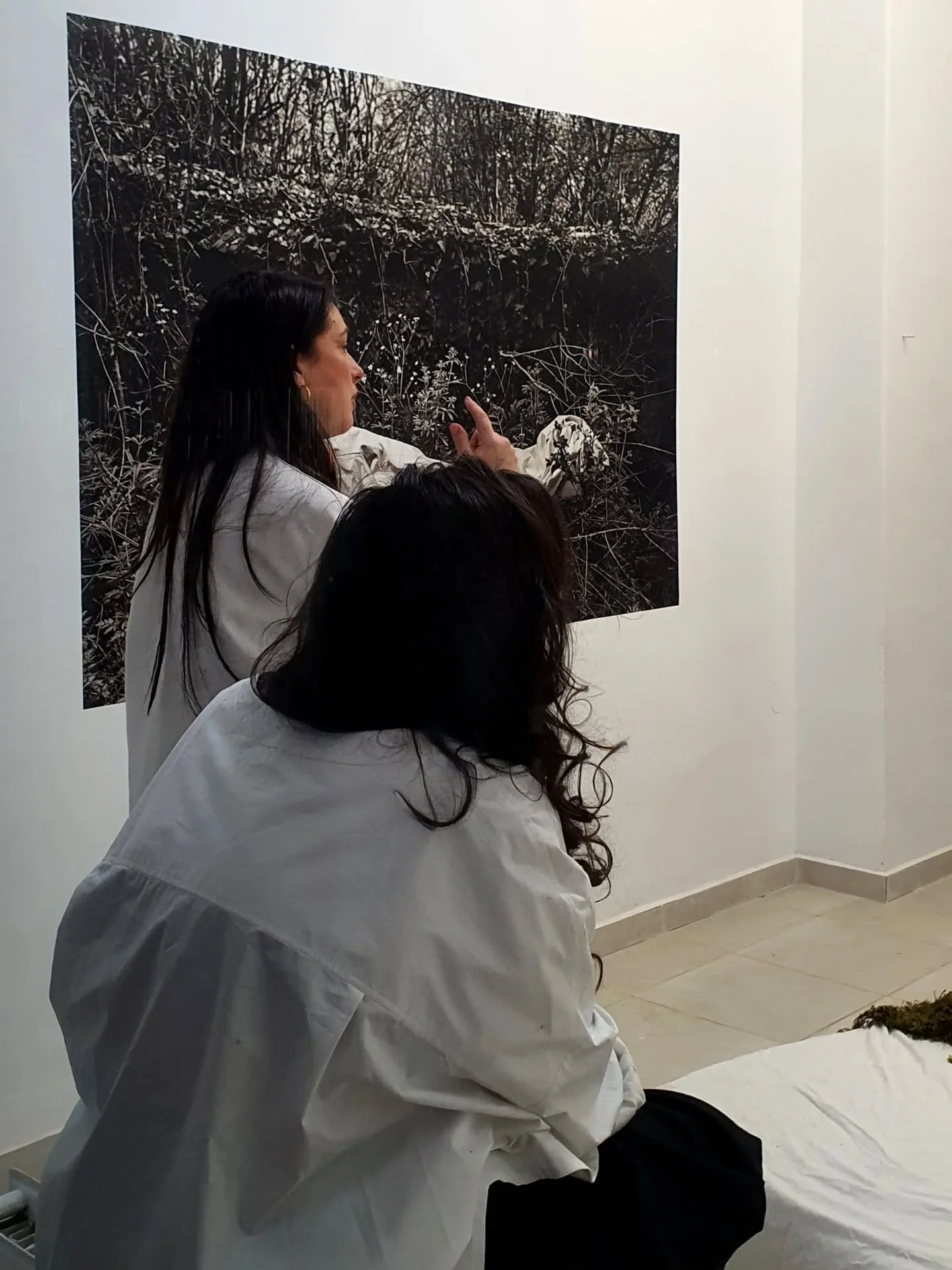
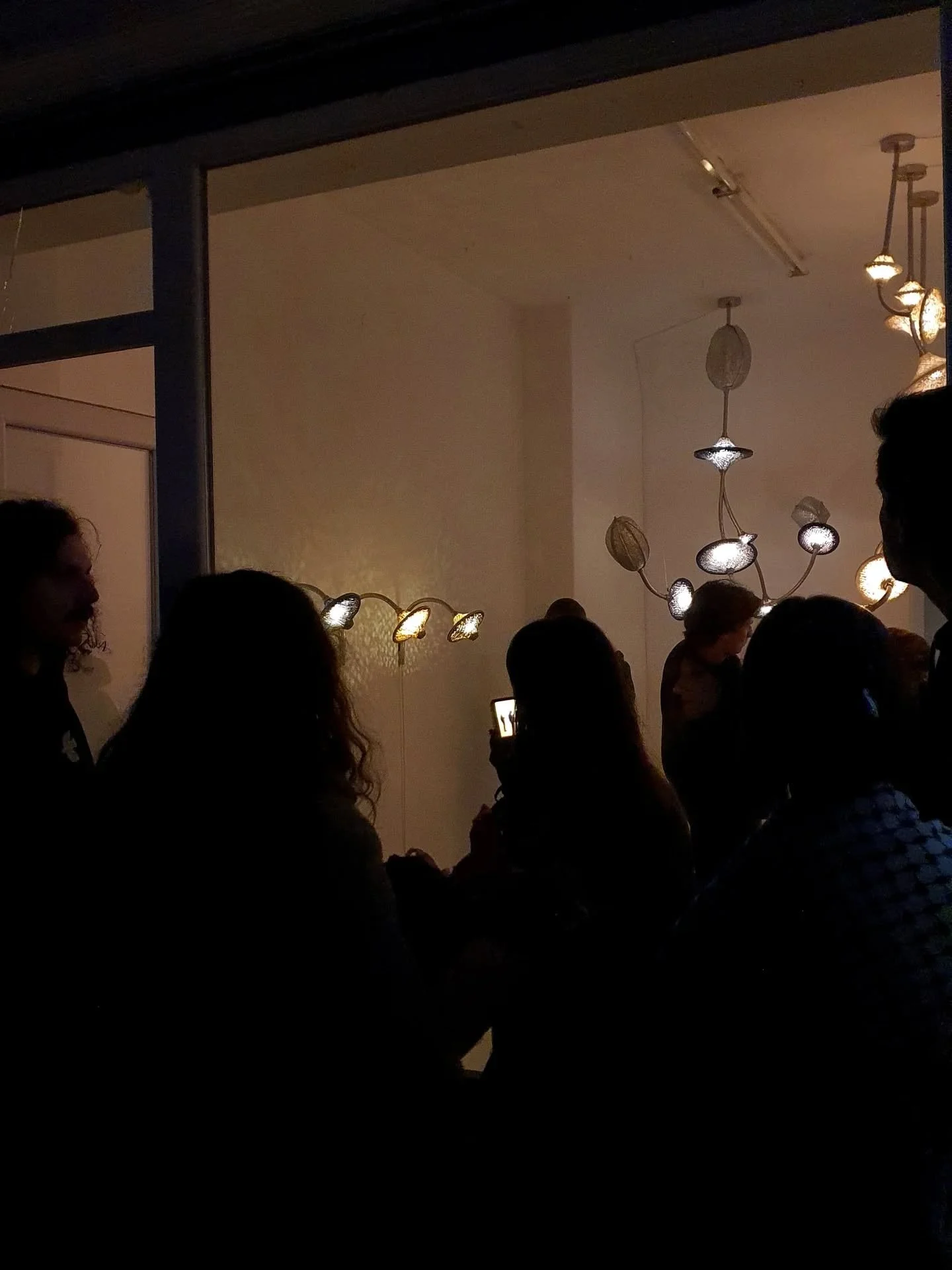
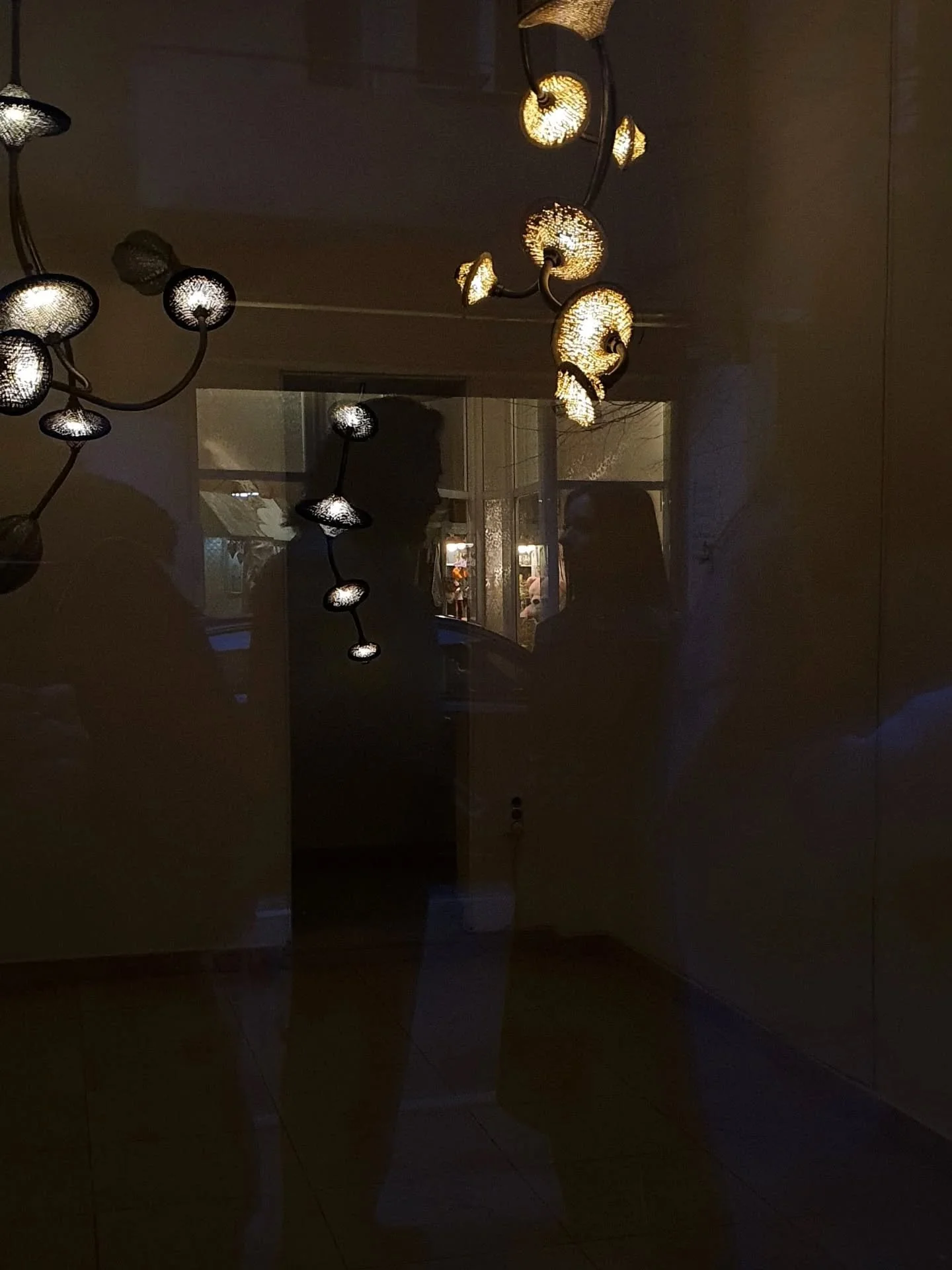
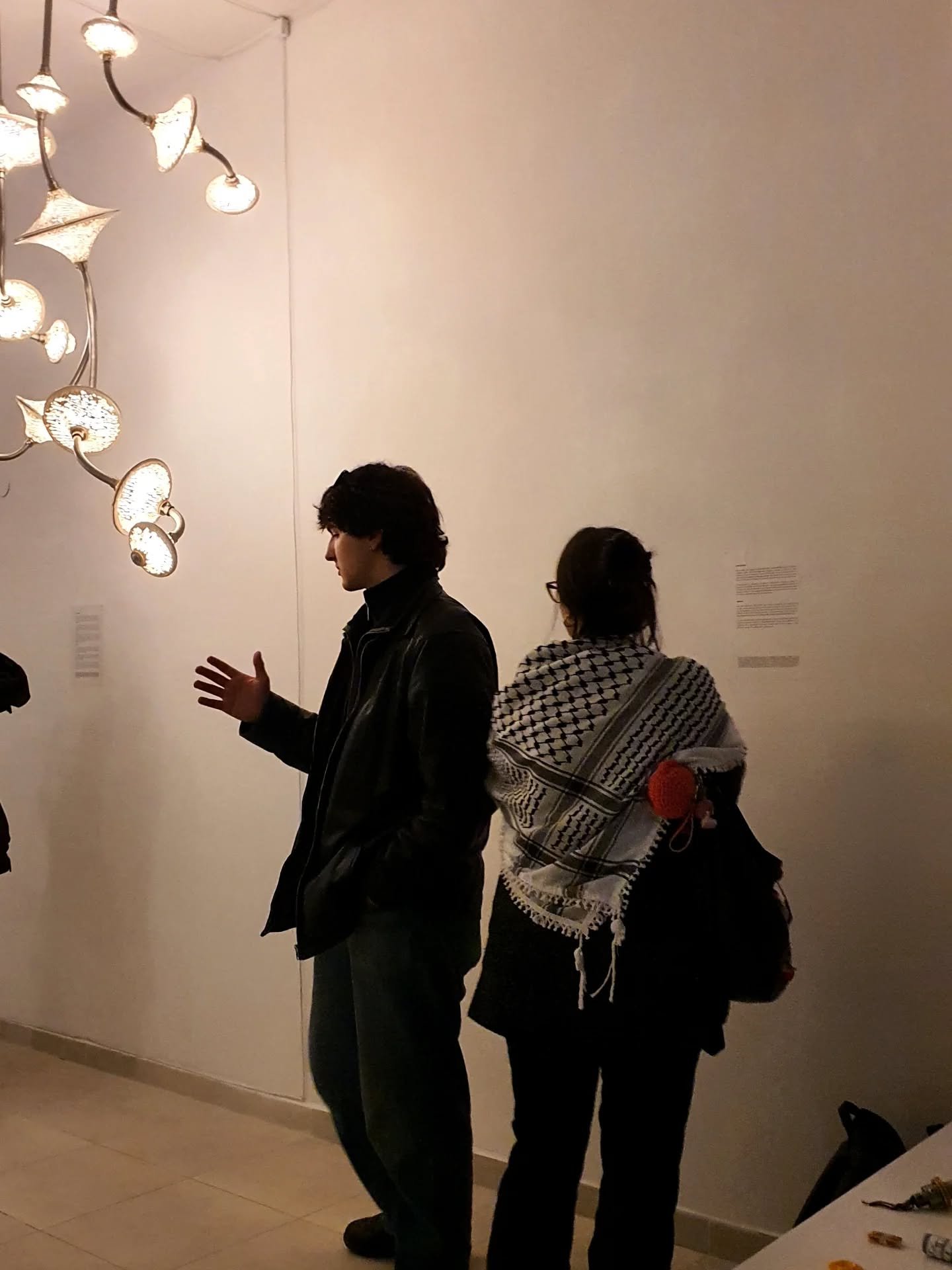
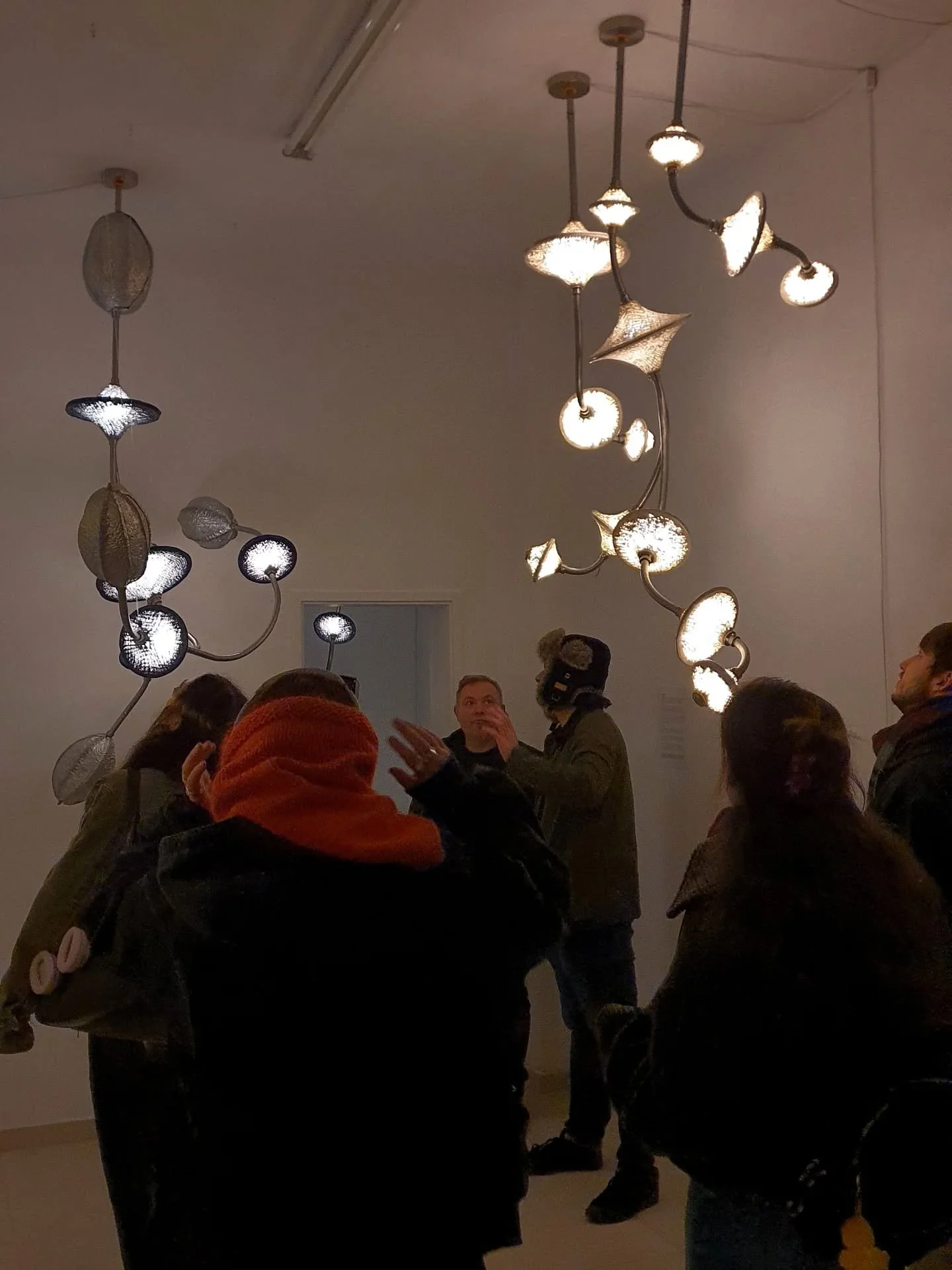
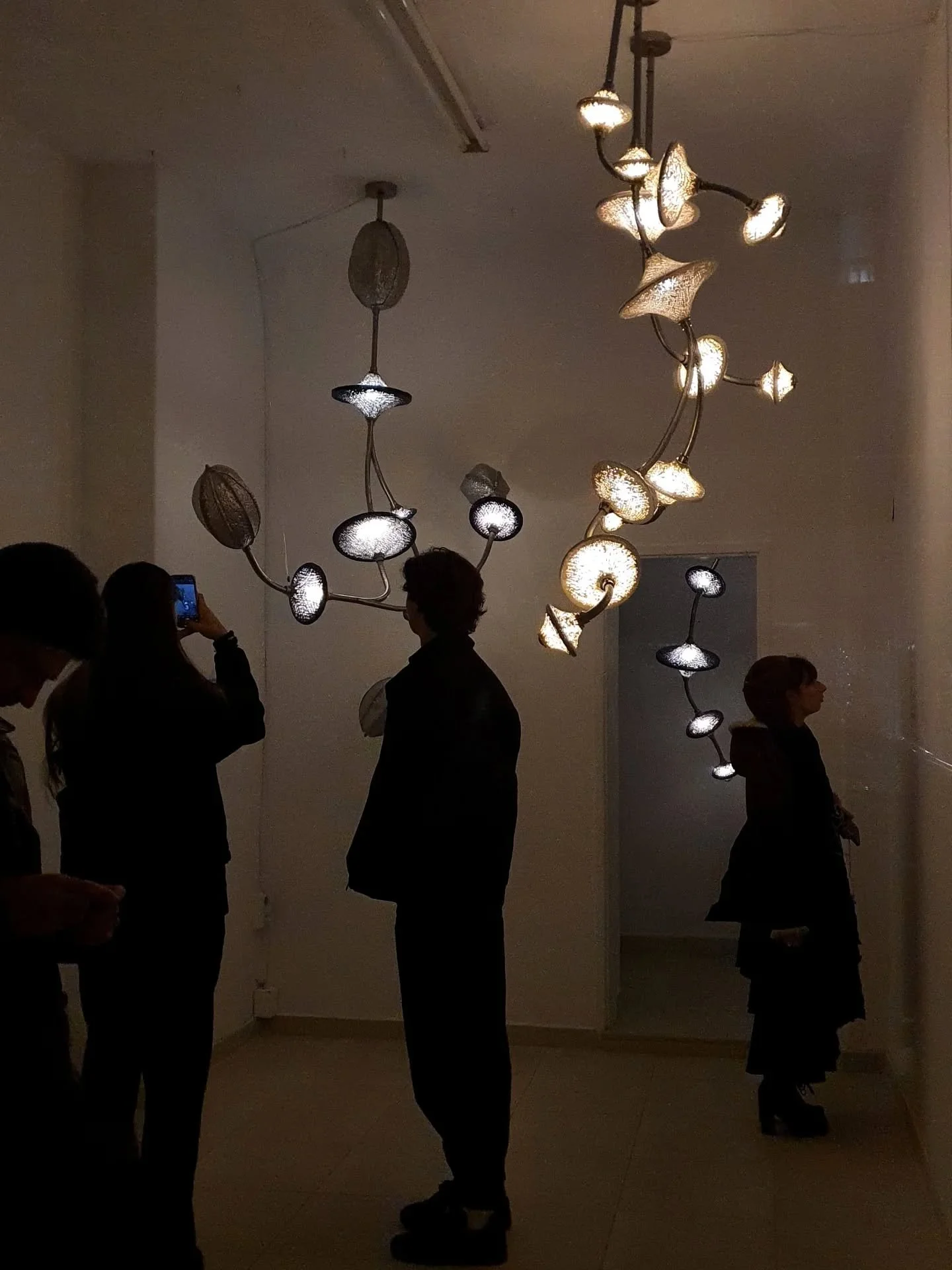
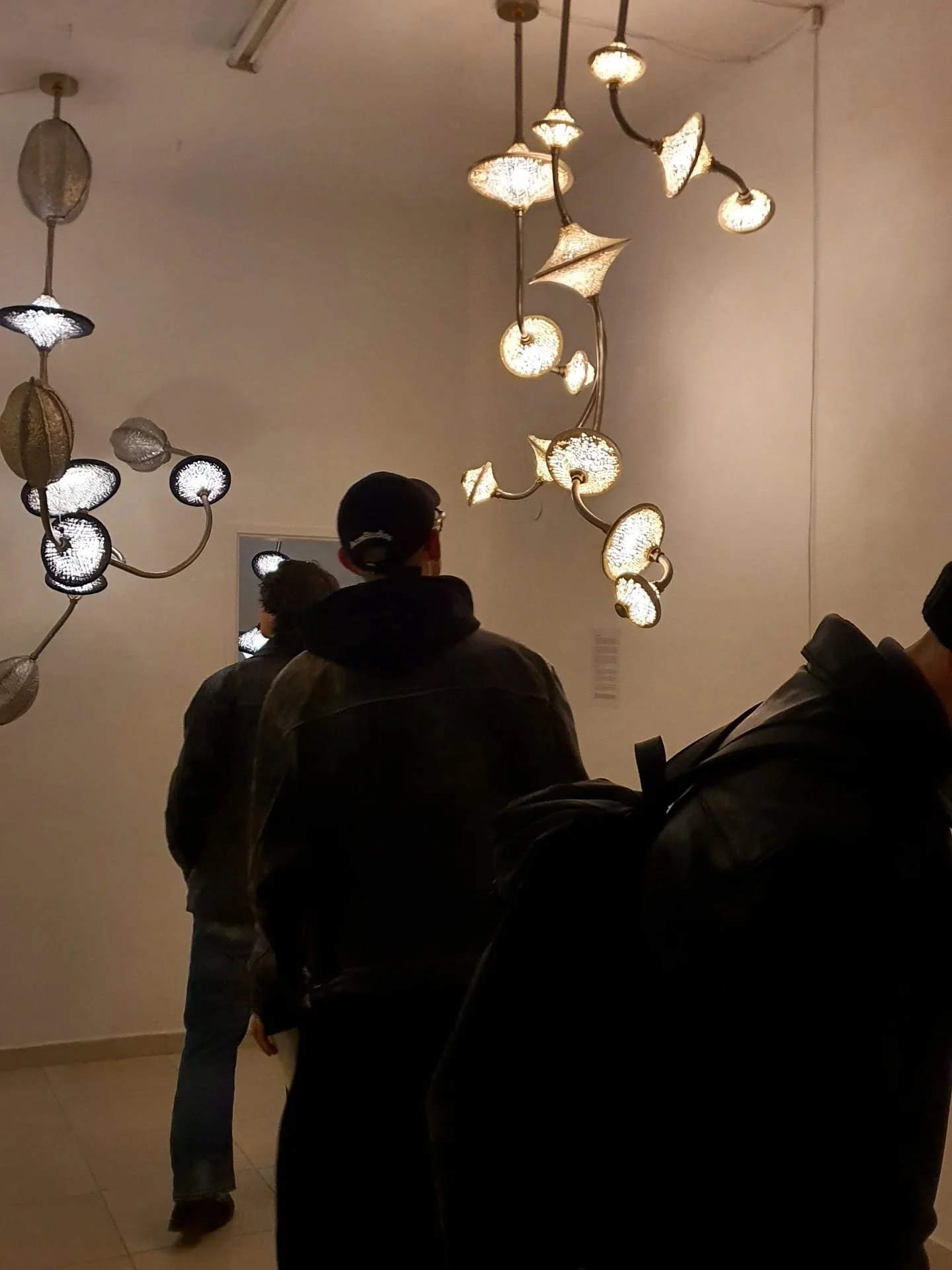
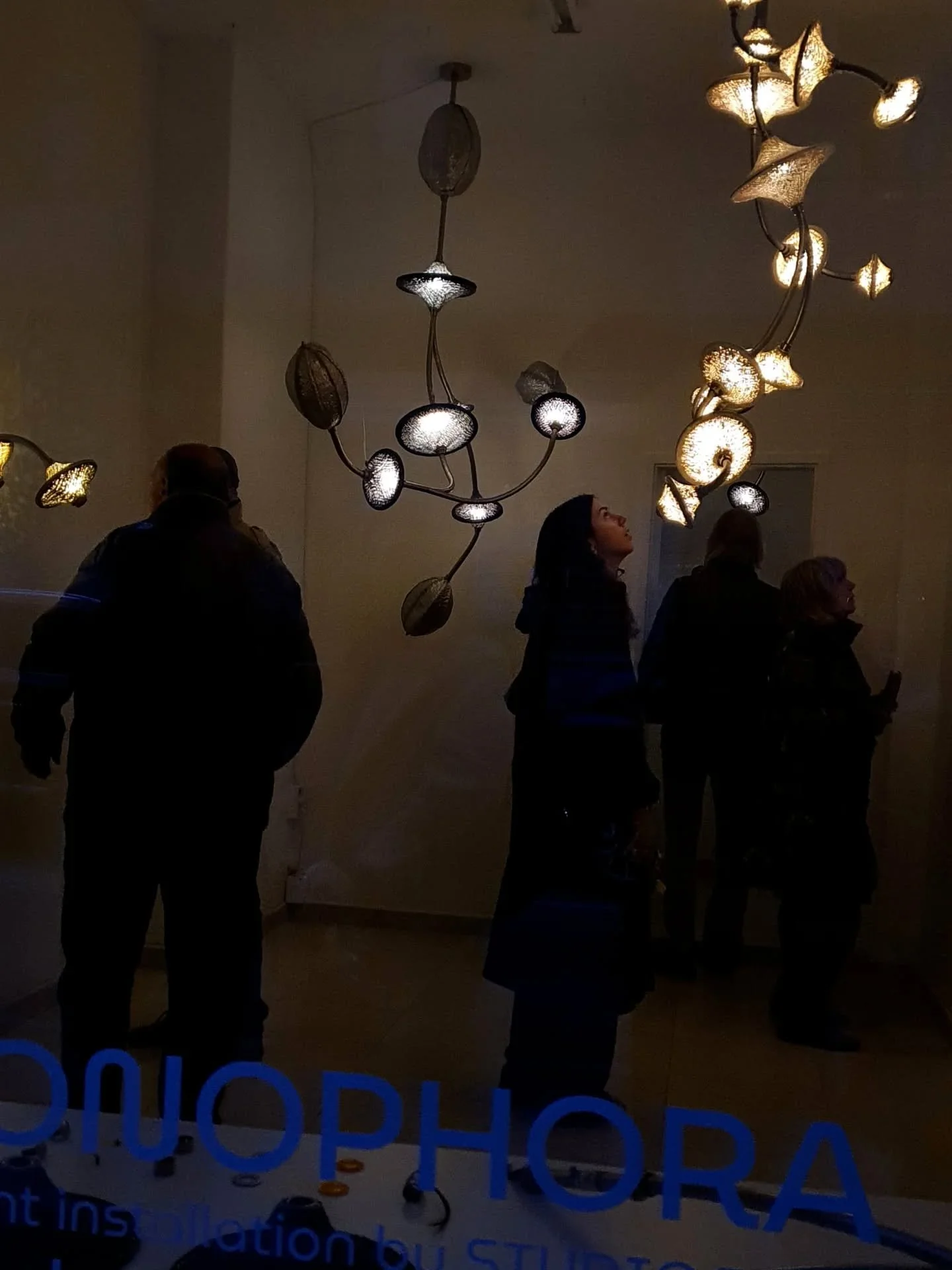
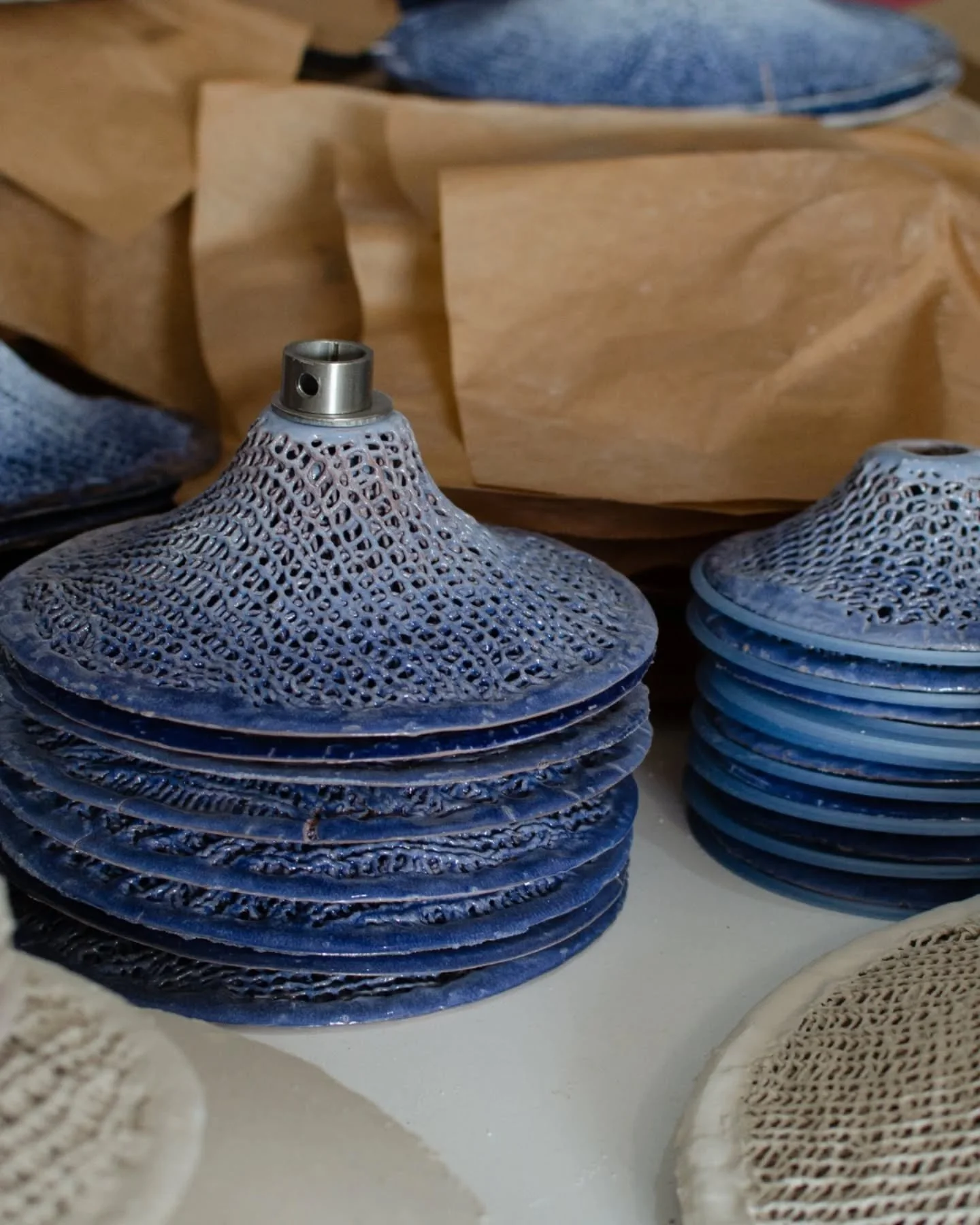
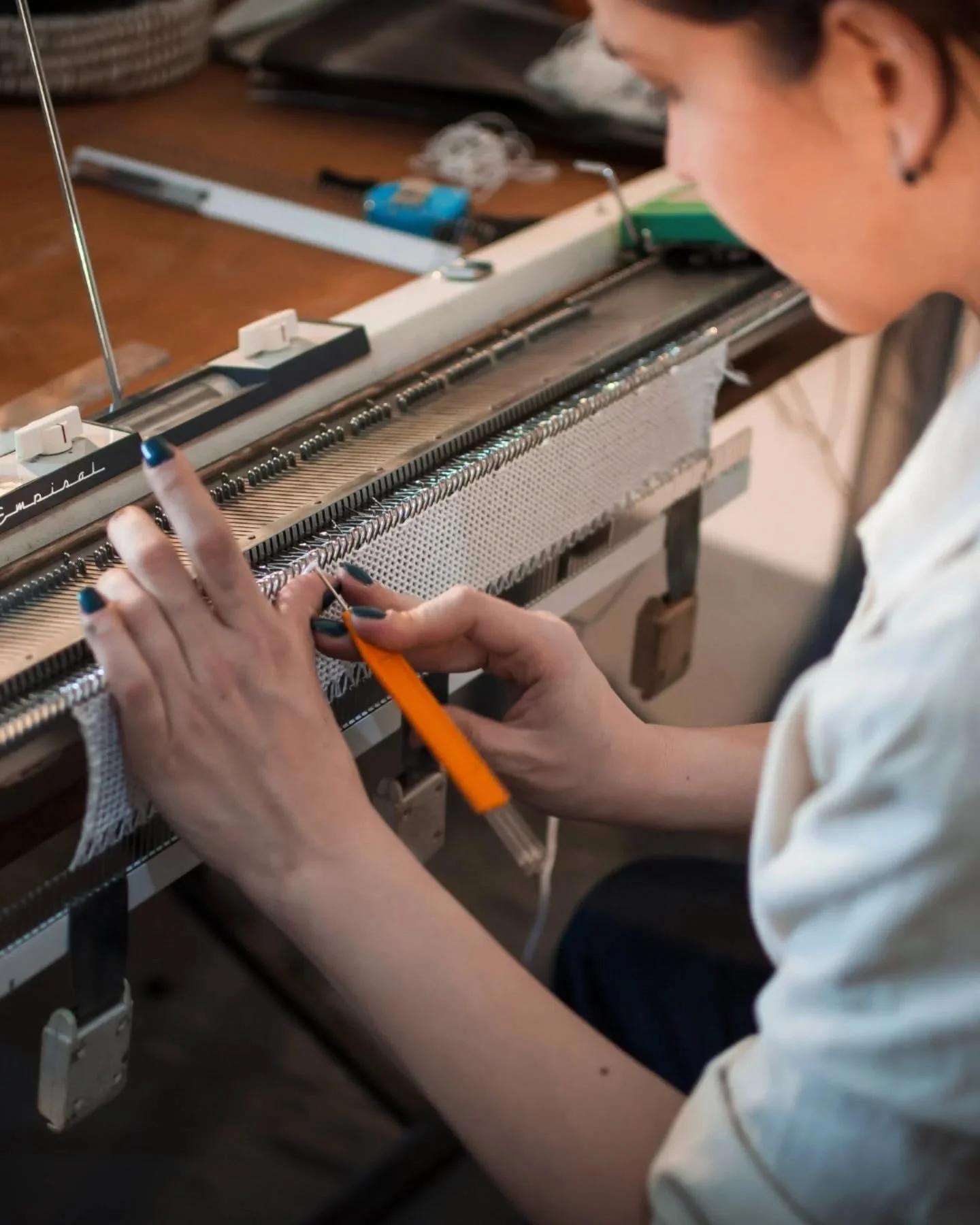
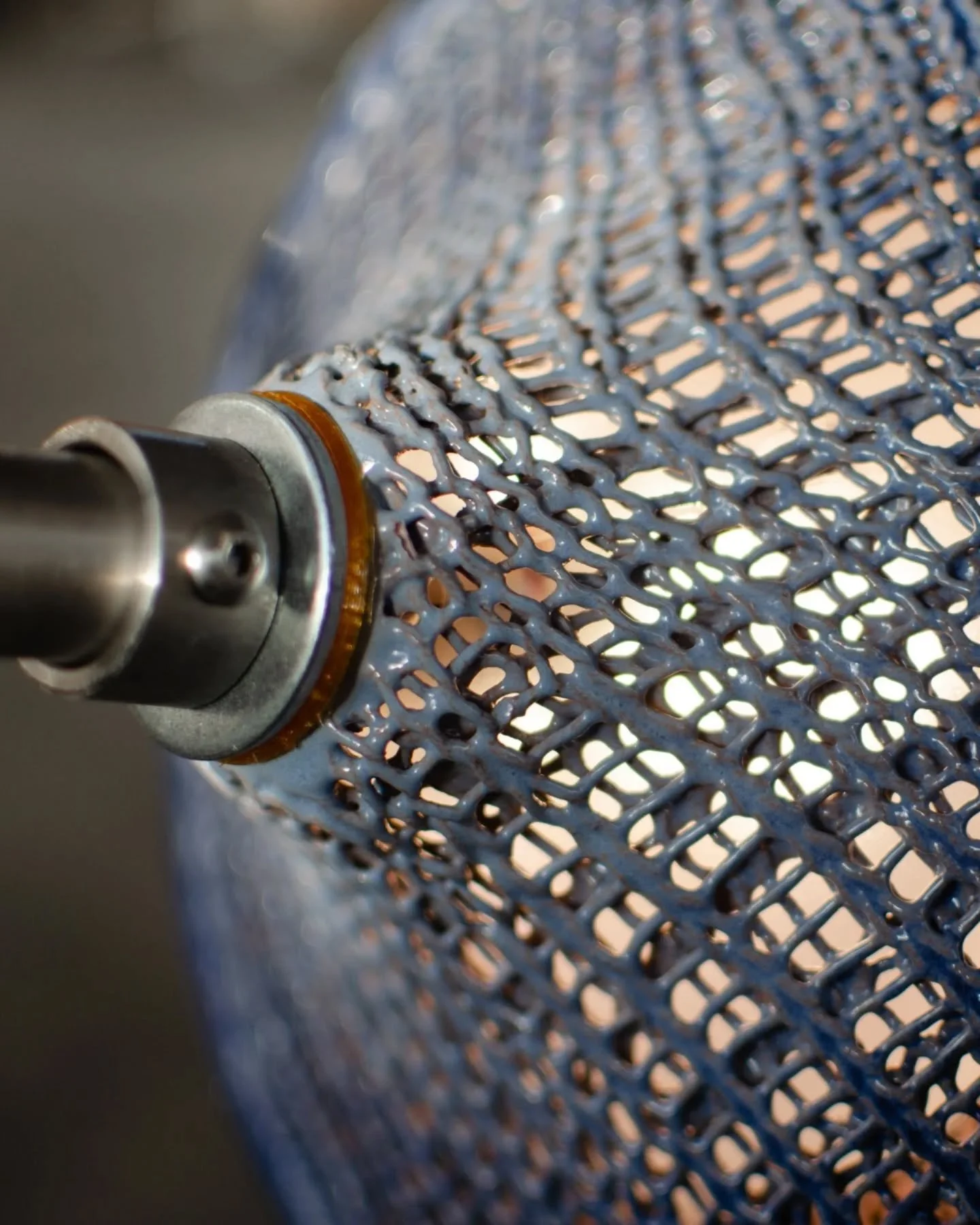
SIPHONOPHORA takes its name from the siphonophore — a marine organism that isn't actually one creature, but a colony of specialized individuals functioning as a single body. It's a fitting image for a collaborative exhibition by STUDIO TASH, the joint practice of Margarita Rangelova and Marta Moskova.
Like the organism it's named for, the show explores symbiosis: how distinct practices, materials, and ideas can fuse into something that behaves as one coherent whole while never losing the individuality of its parts.
The works on view move fluidly between sculpture, textile, and installation, echoing the soft, drifting, interdependent structure of their namesake — beautiful, strange, and held together by cooperation rather than hierarchy.


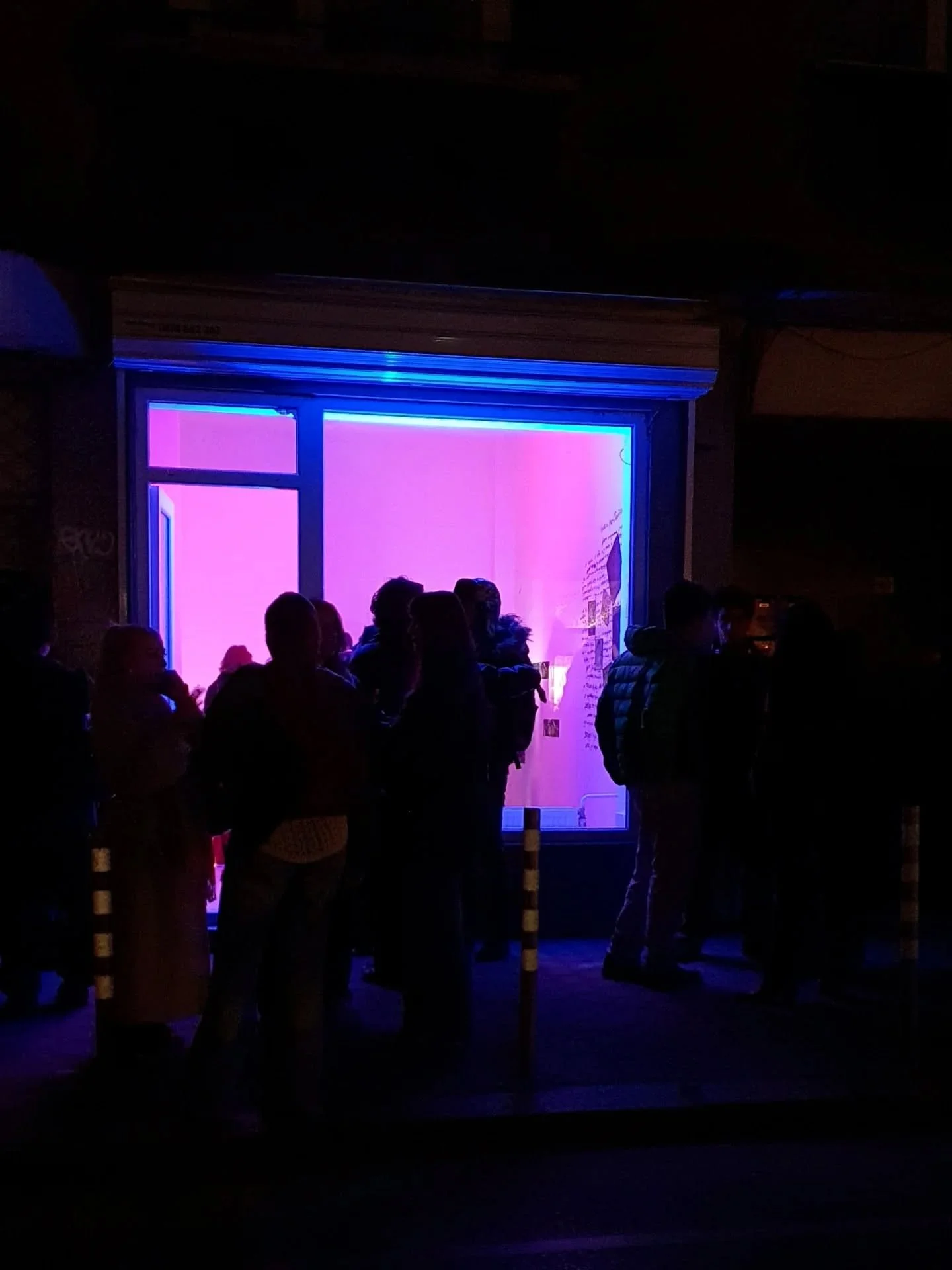
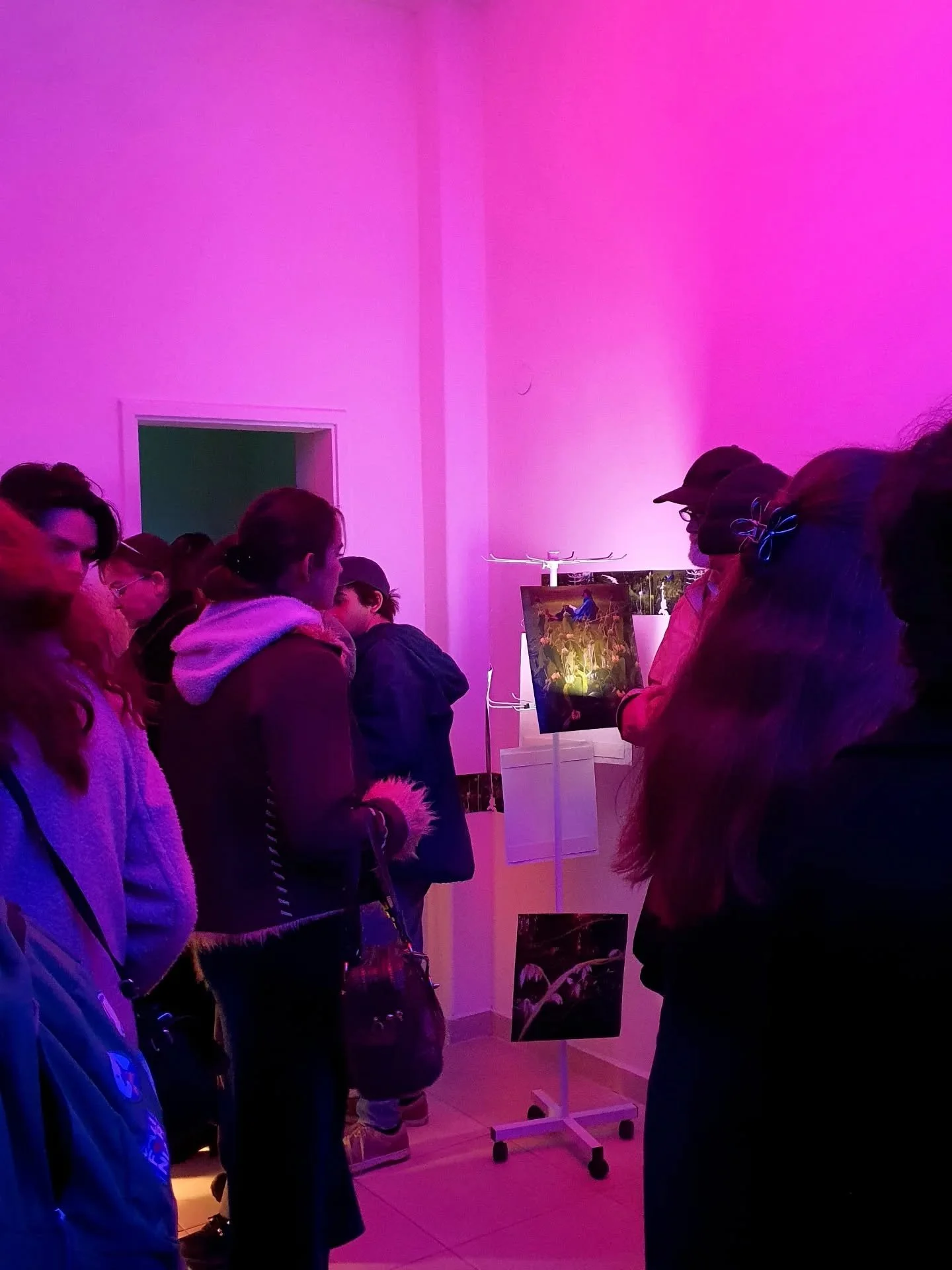
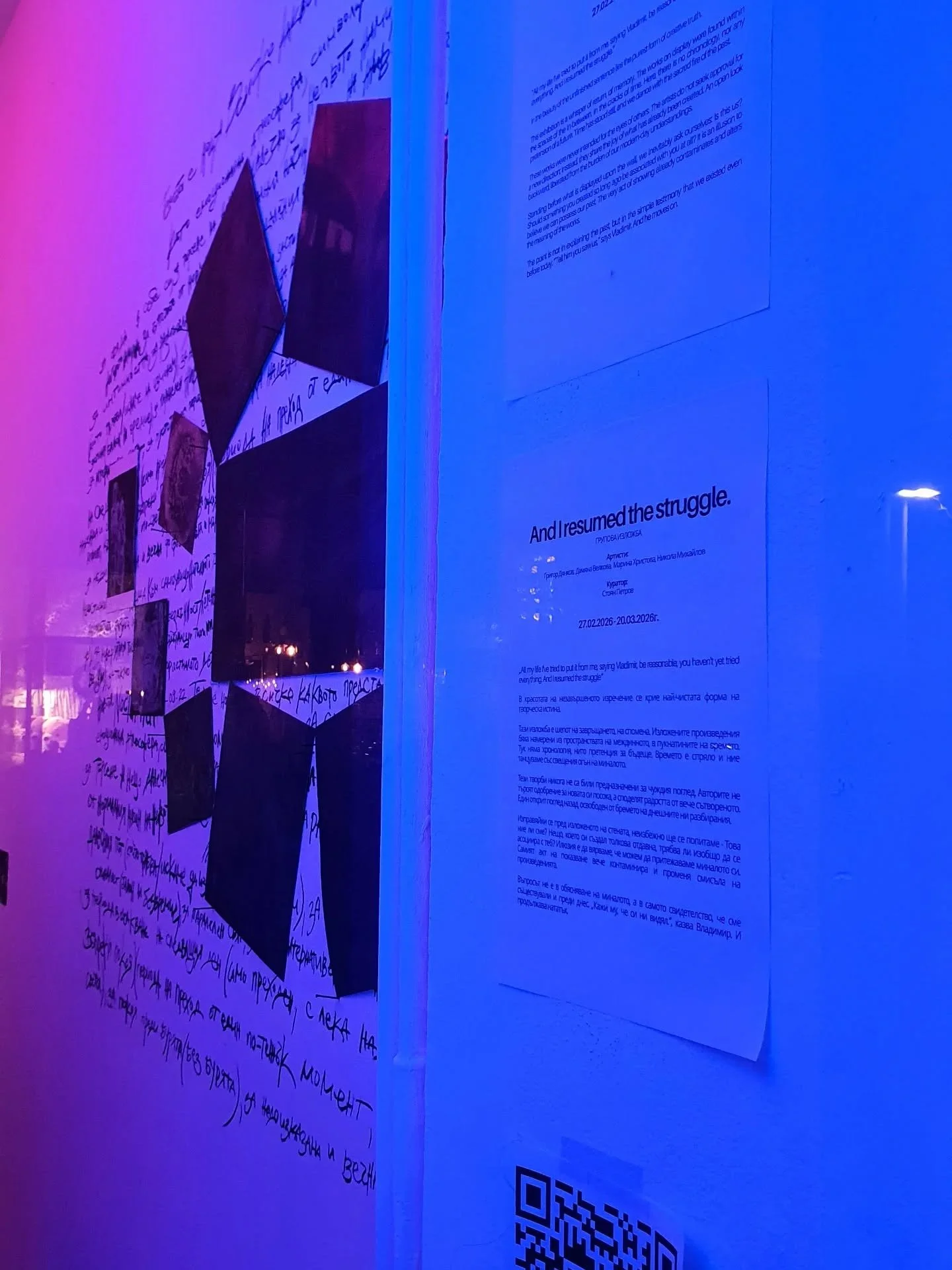
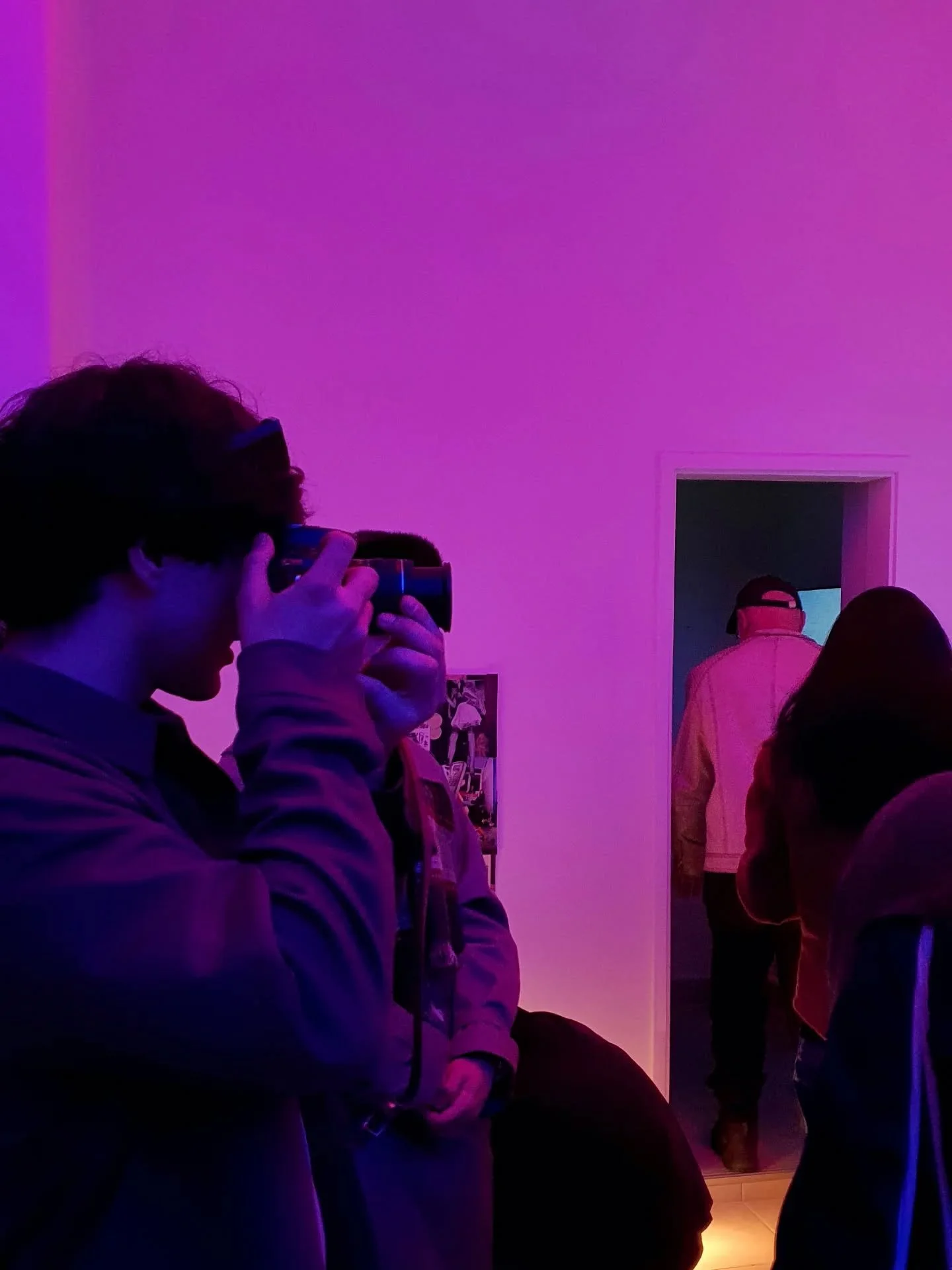
And I resumed the struggle
And I resumed the struggle takes its title — and its spirit — from the closing line of Samuel Beckett's Waiting for Godot: an acknowledgment that nothing is resolved, and that the only honest response is to keep going anyway.
Four artists contribute work that circles around repetition, futility, and persistence — not as tragedy, but as a kind of dark comedy of endurance. The exhibition treats the studio, and the act of making itself, as its own waiting room: a place where meaning is deferred but the work continues regardless.
Curator Stoyan Petrov frames the show as a study of what it means to keep showing up to an unresolved situation — a condition Beckett's two tramps know better than anyone, and one that feels just as relevant to artists working today.
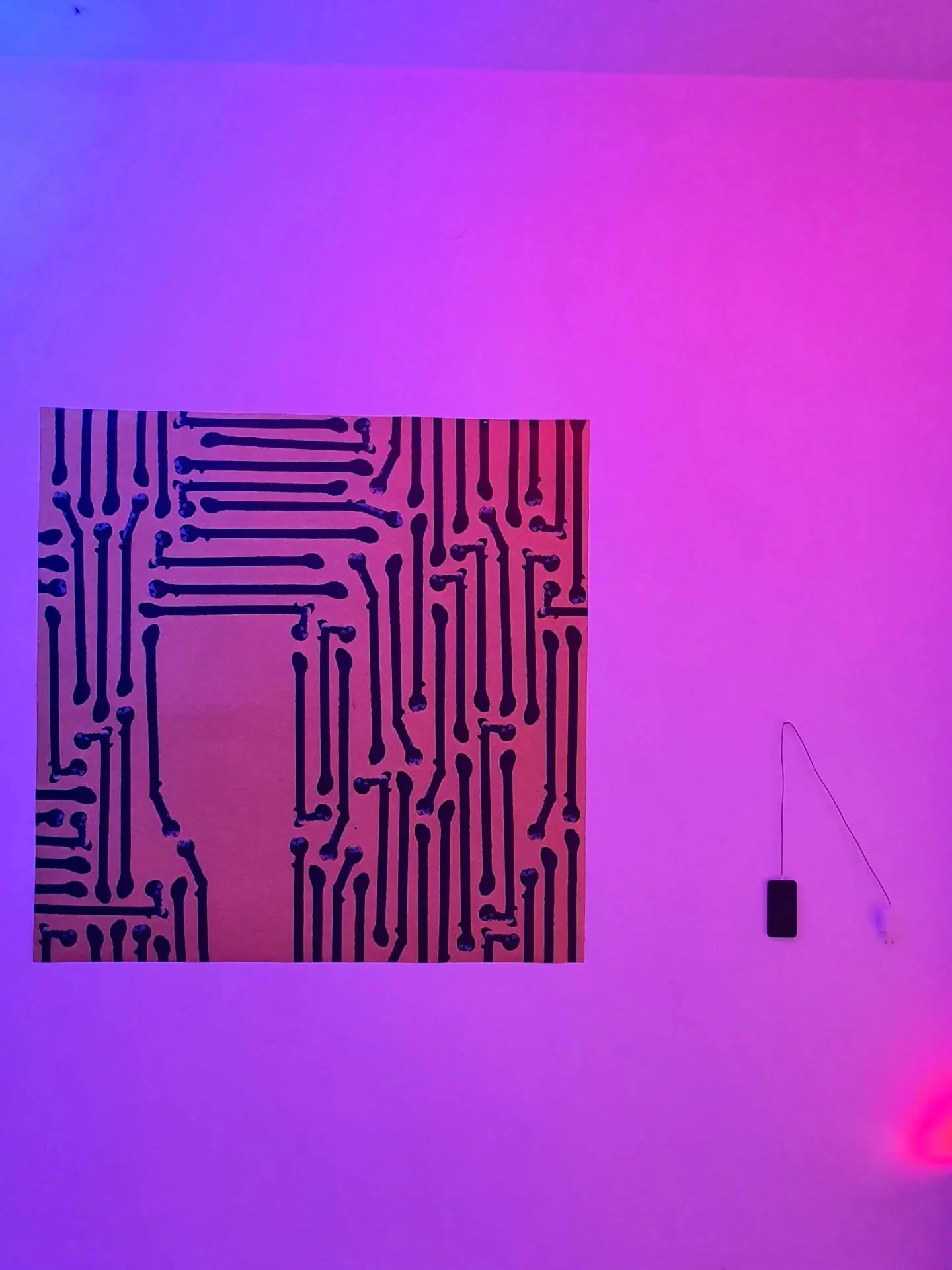


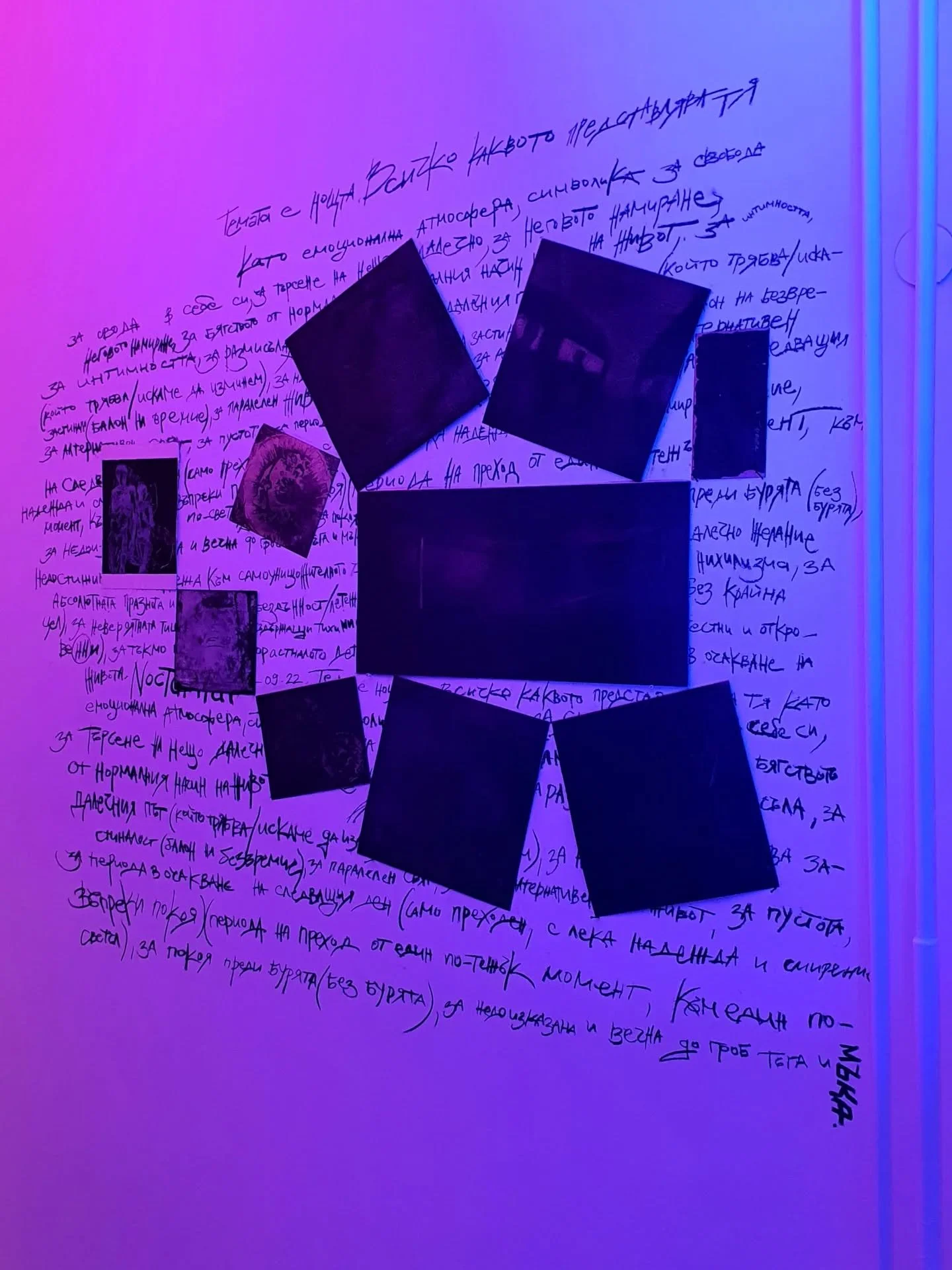
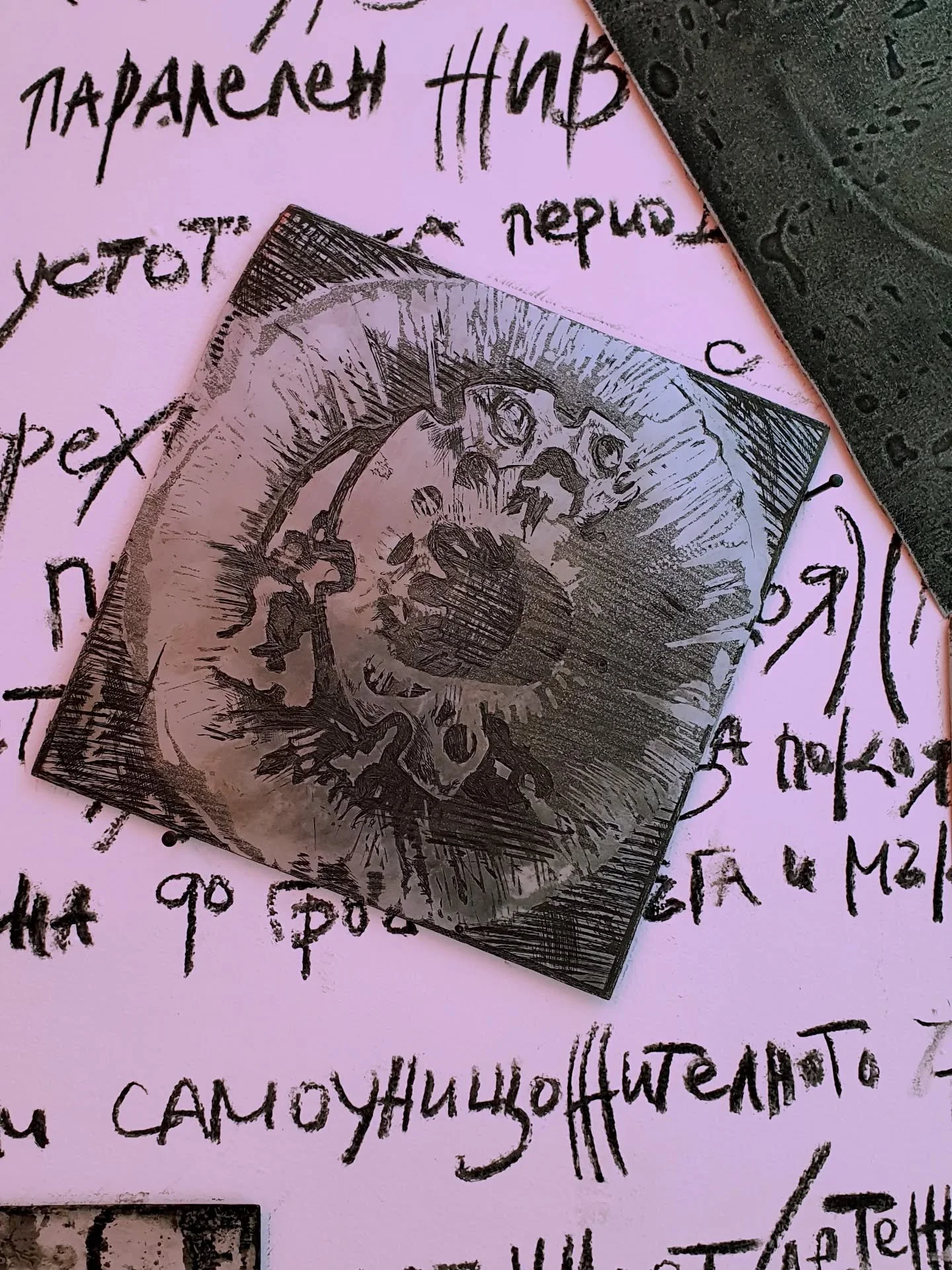
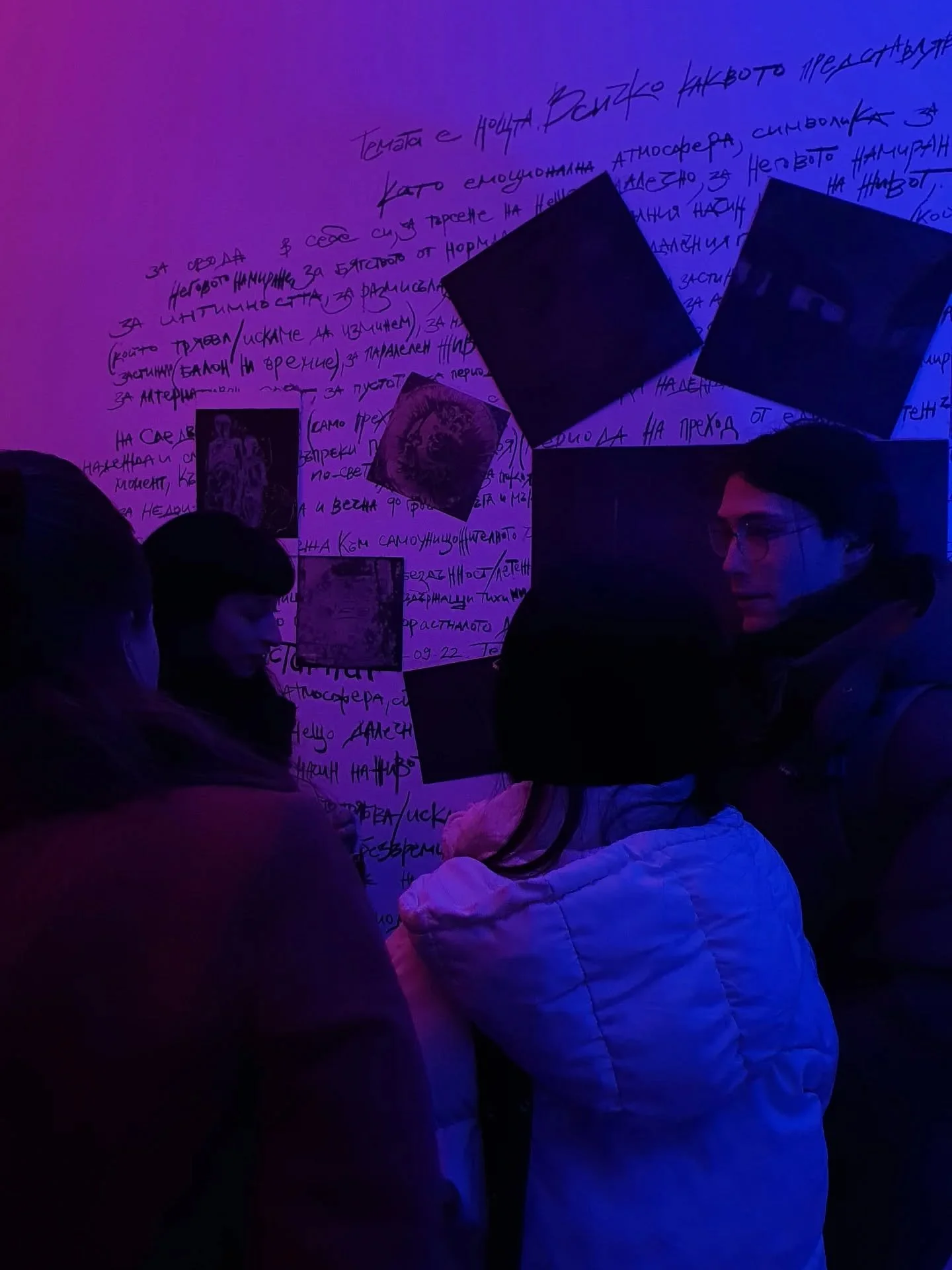
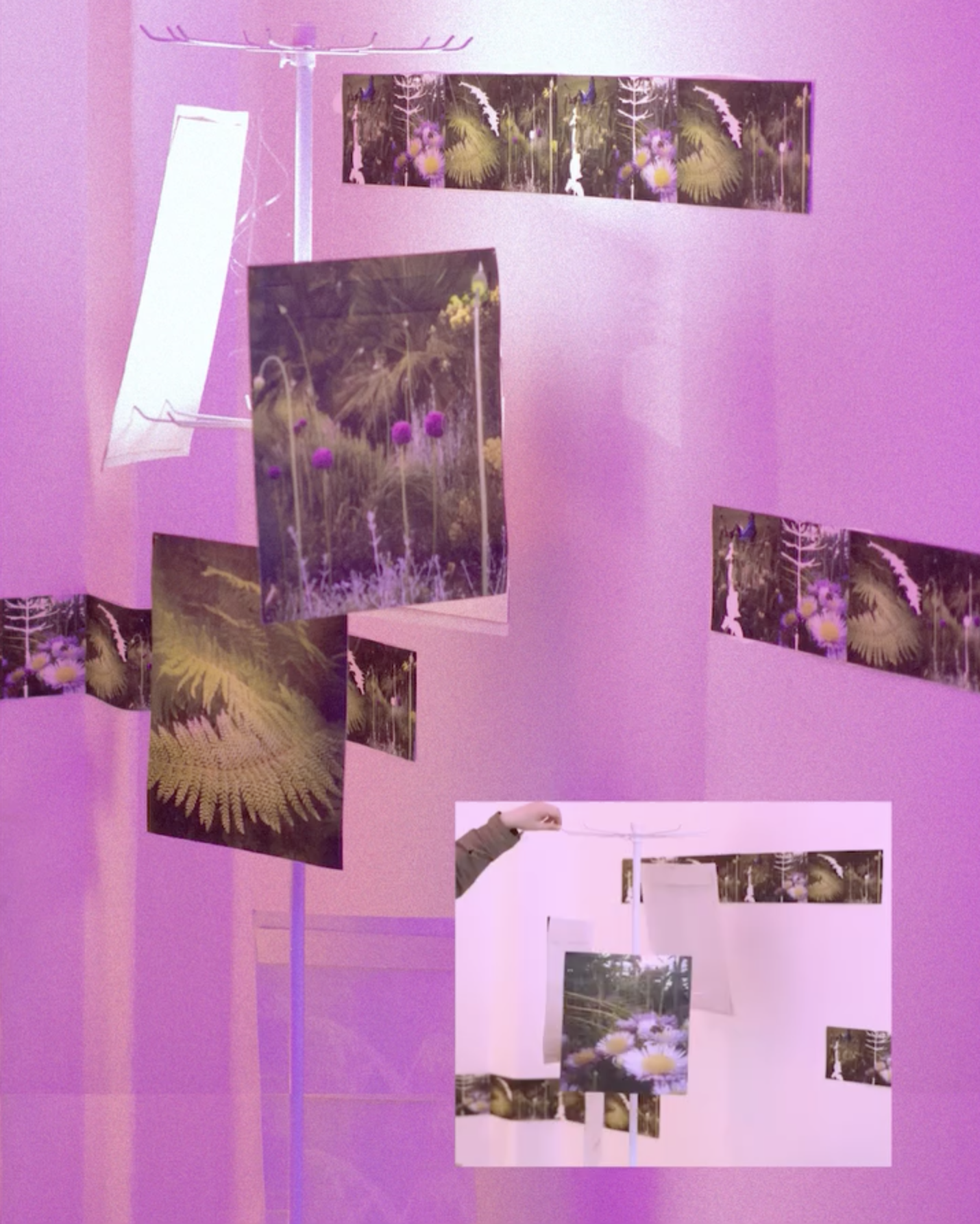

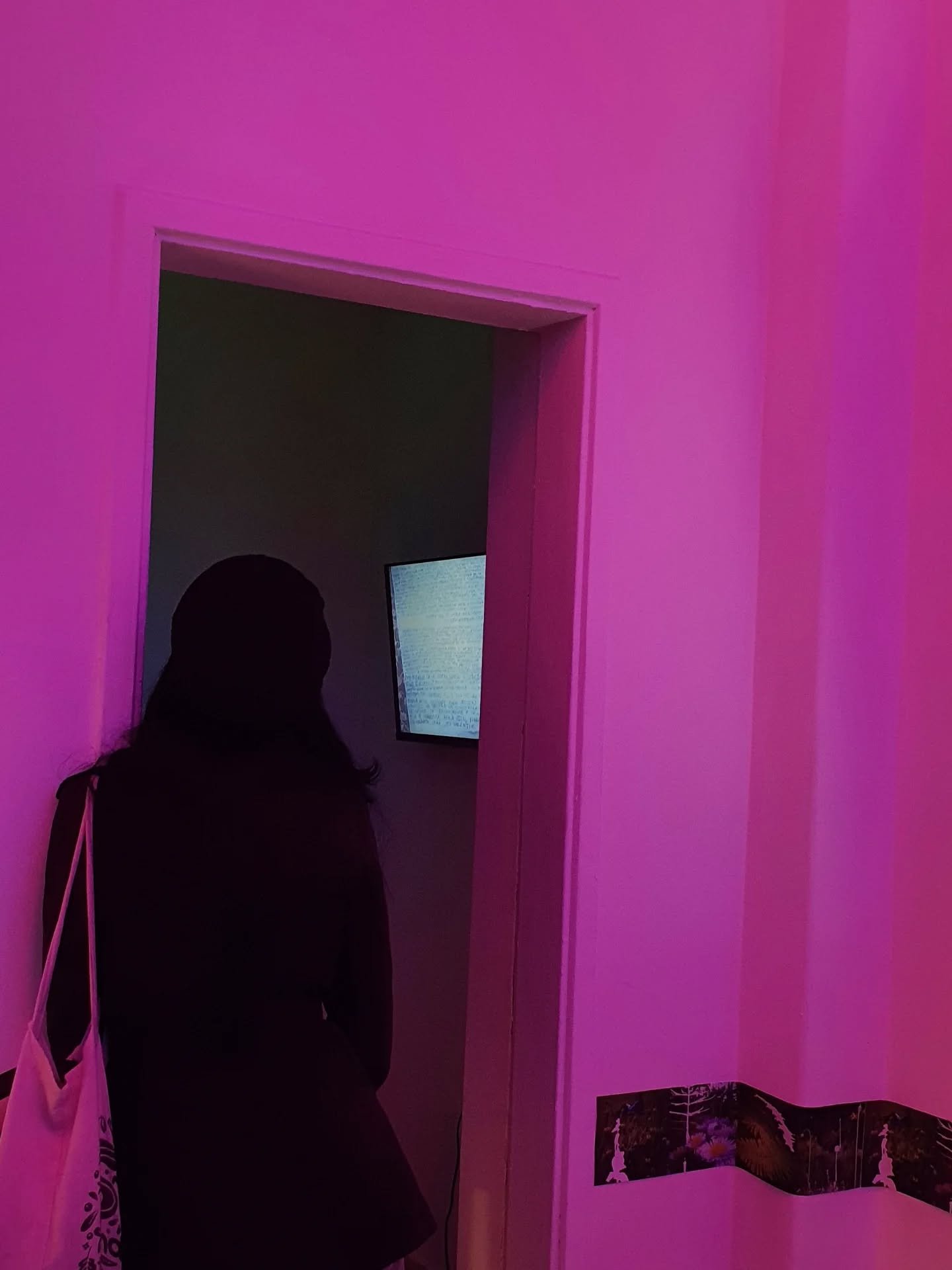
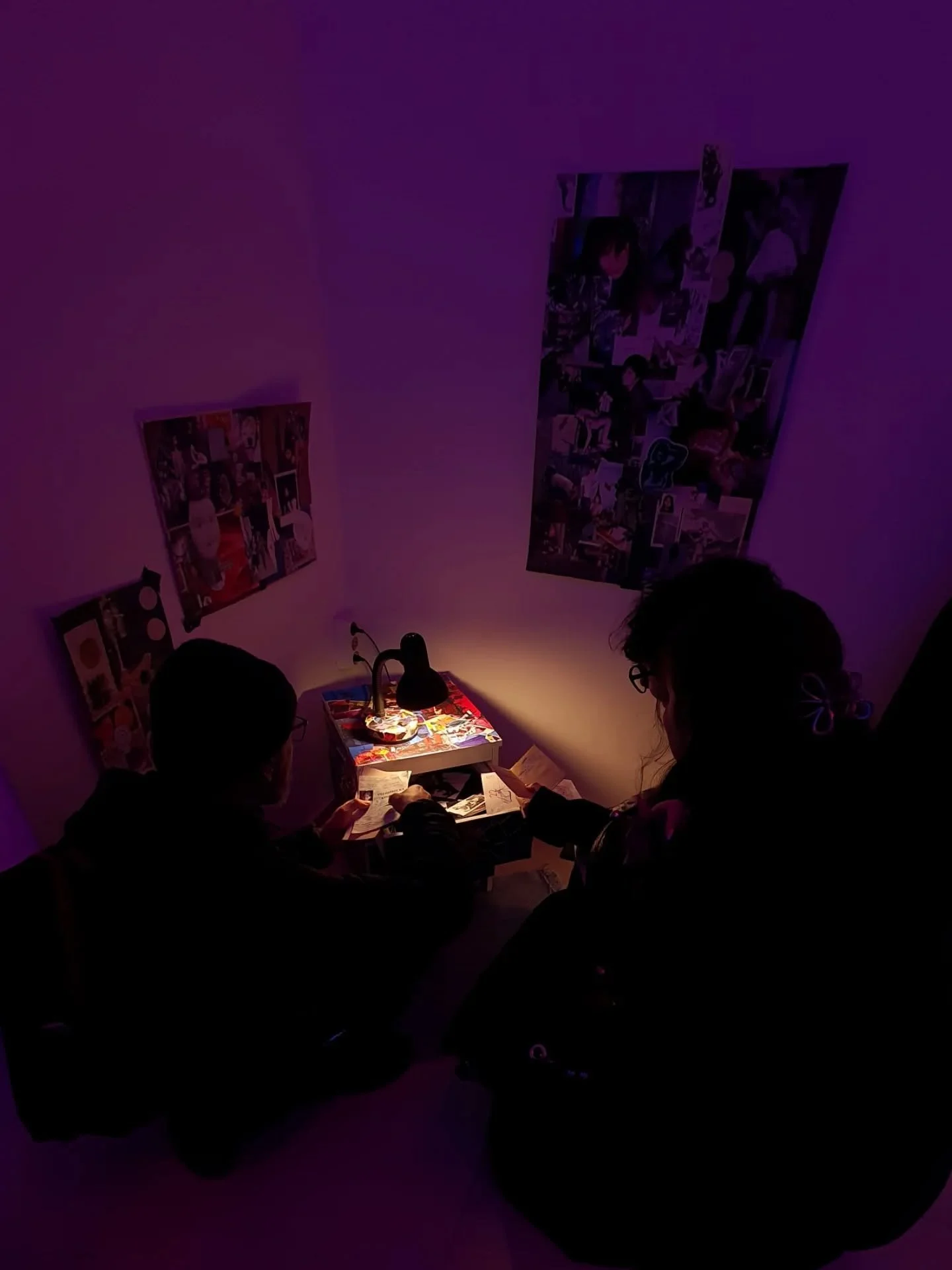

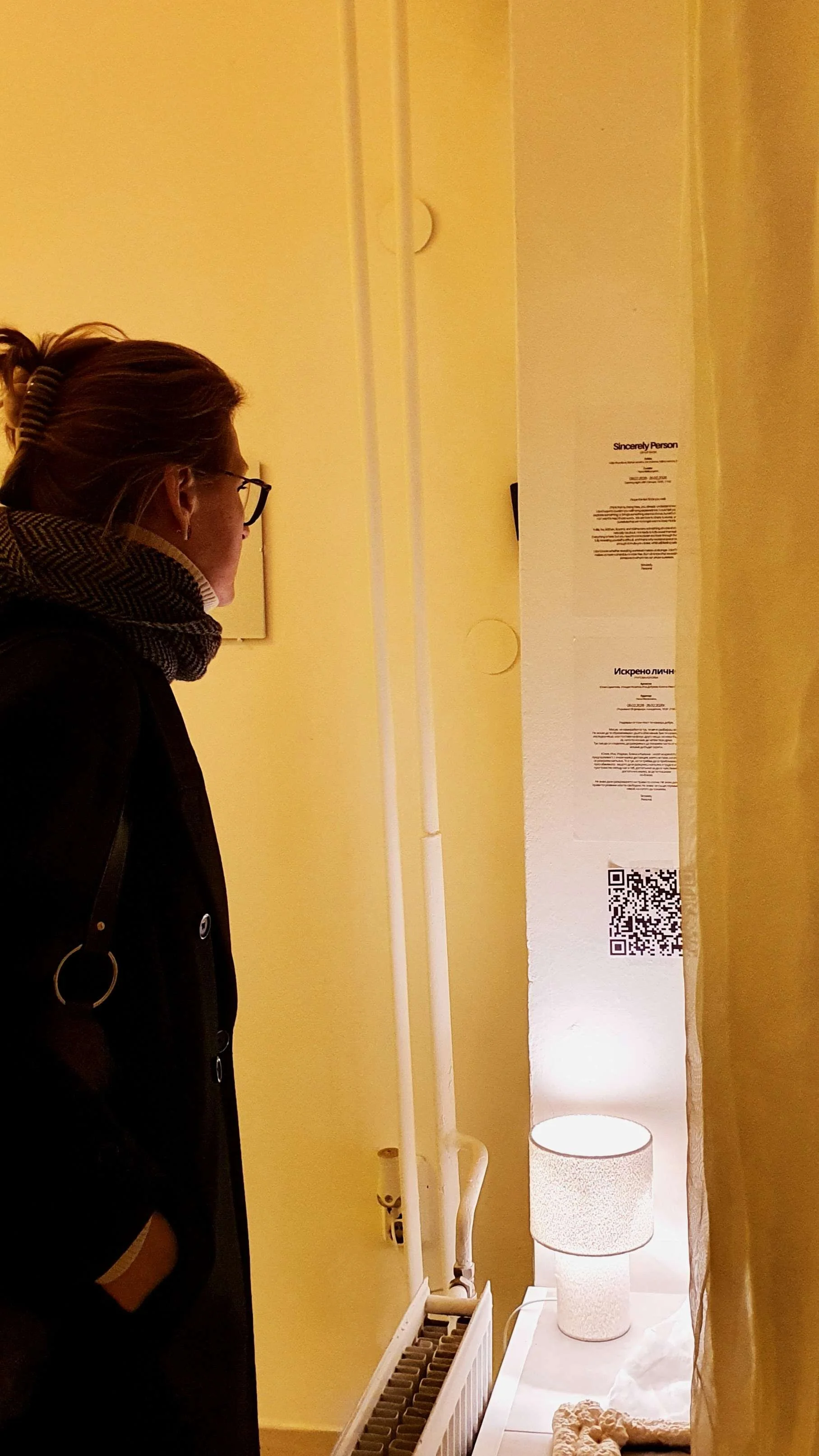
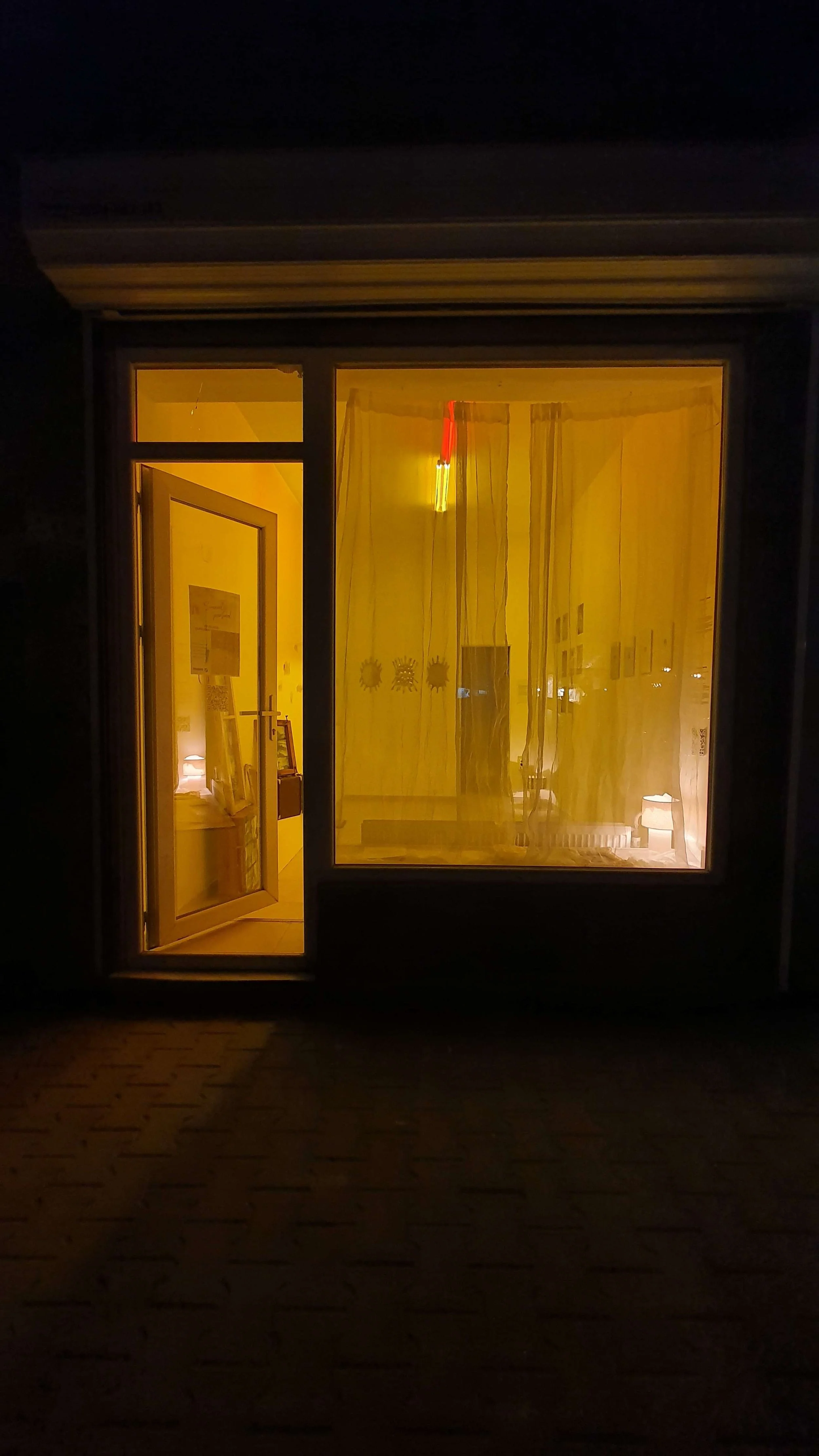
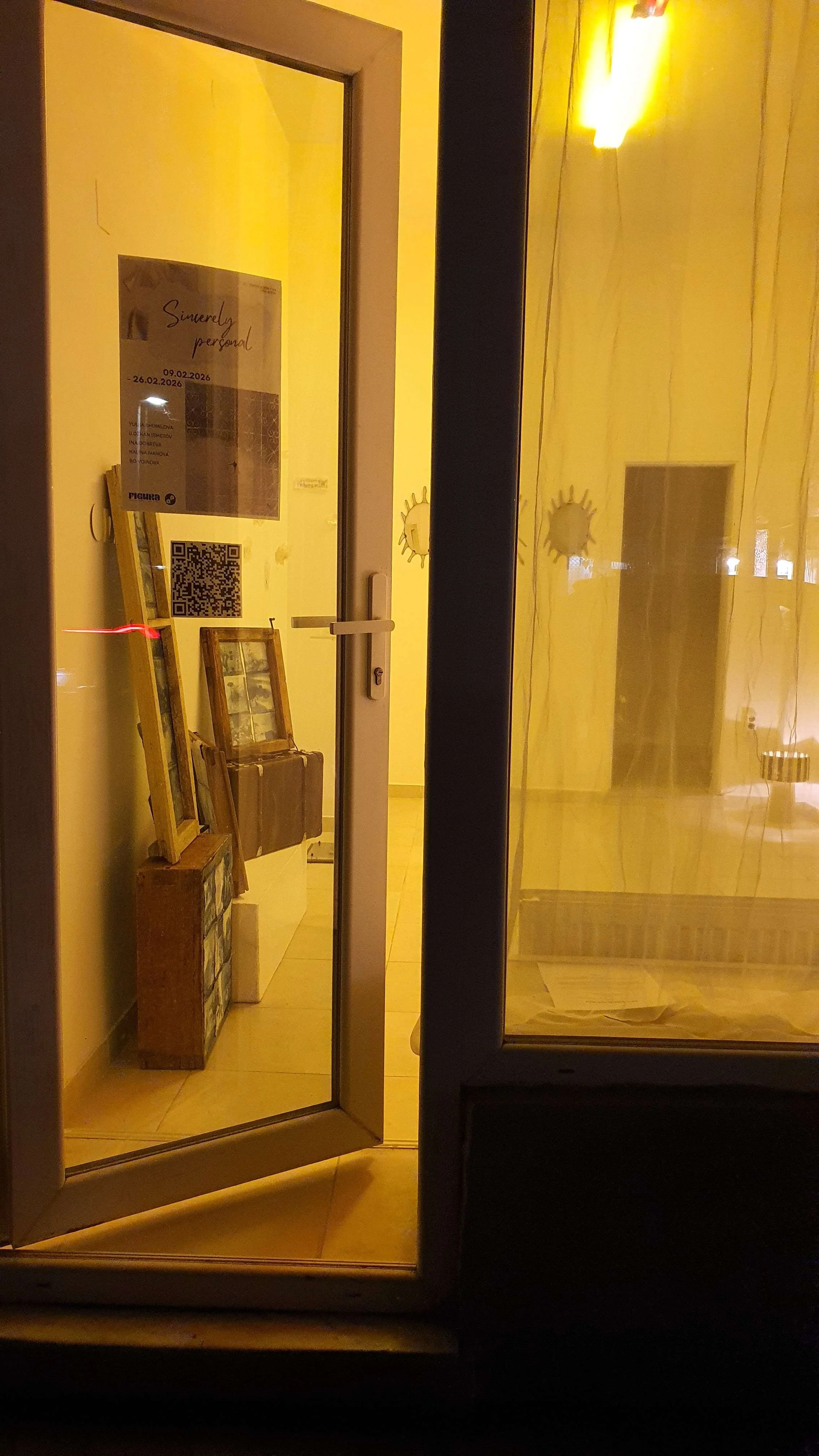
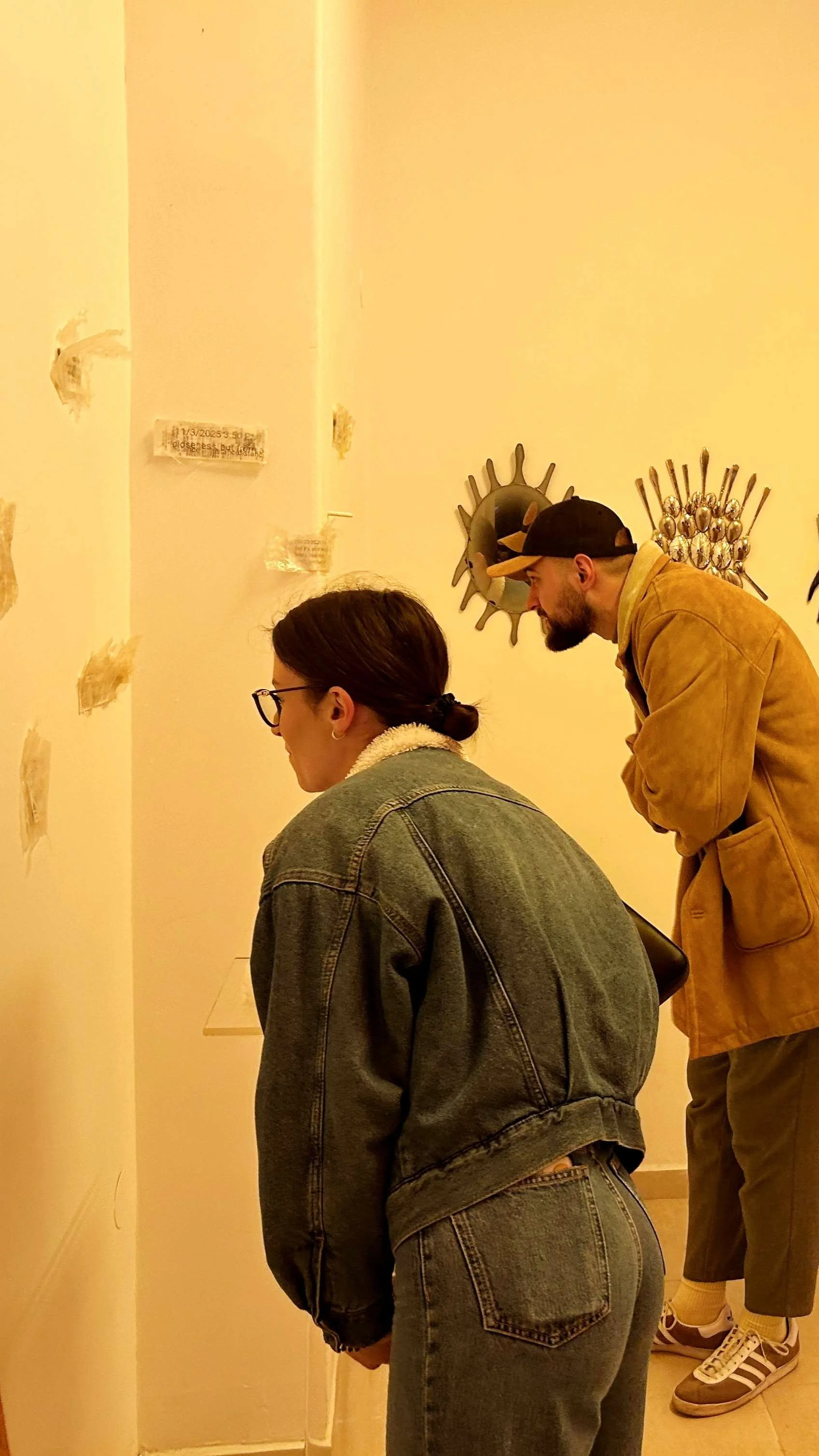
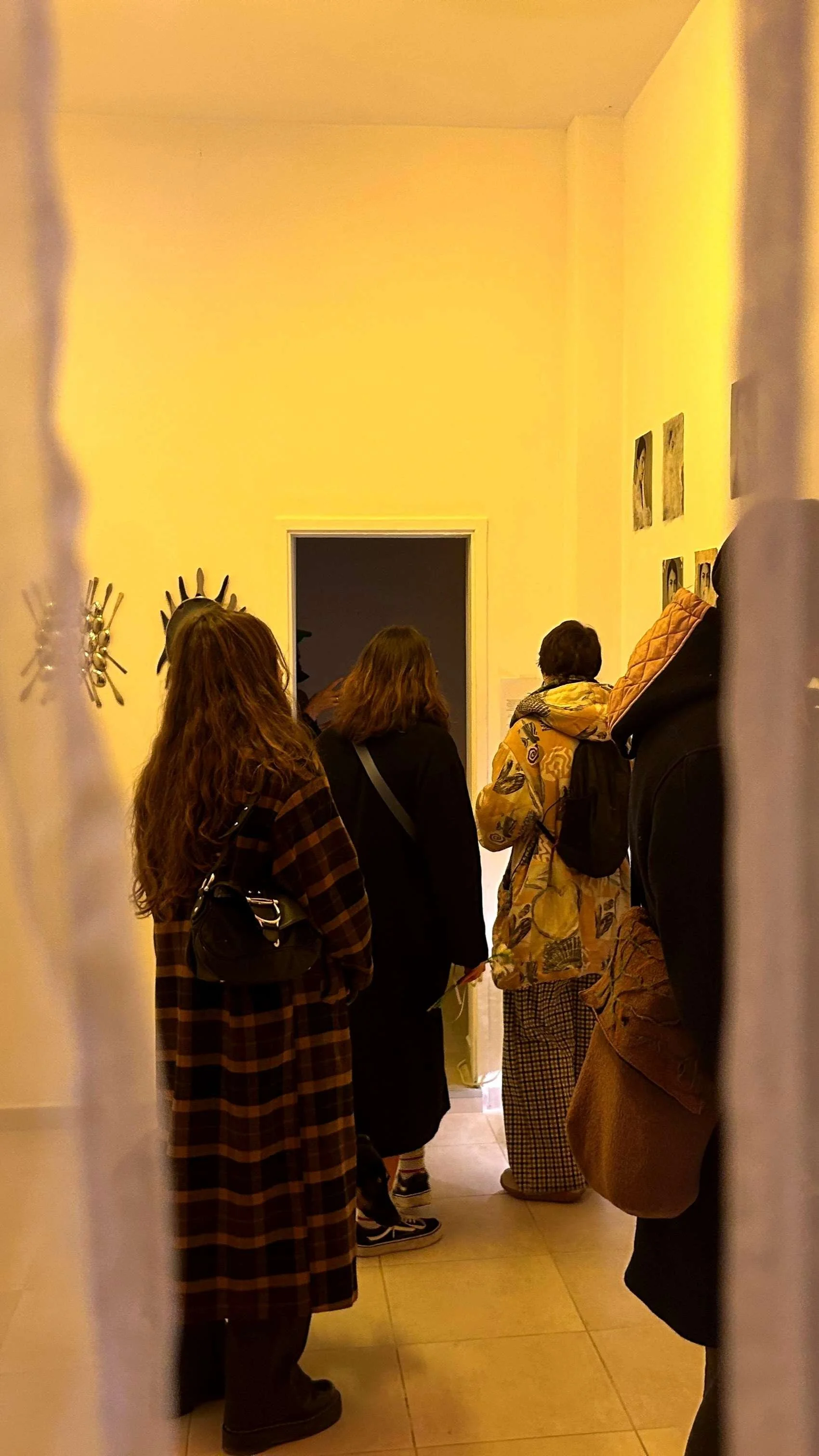
Sincerely Personal
"I hope this text finds you well. I'm writing not to explain the work, but to invite you into it — the way you'd read a letter from someone who trusts you with something unfinished."
So begins curator Nana Melkonyants' introduction to Sincerely Personal, a group exhibition built around the idea of art as direct address — work made not for an abstract public, but for a "you," specific and present.
Five artists contribute pieces that read like correspondence: confessional, occasionally unguarded, sometimes coded, always addressed to someone. The exhibition asks what changes when art assumes an intimate reader rather than a general viewer.
The result is a show that feels less like a survey and more like an exchange of letters — each piece signed, in its own way, "Sincerely, Personal."

Transparency
Transparency is the opening exhibition of figura art space — a group show bringing together seven artists exploring what it means to be seen, to see clearly, and to let something be seen through you.
The works gathered here move between the literal and the metaphorical: glass, light, skin, memory, and the spaces between concealment and disclosure. Each artist approaches transparency from a different angle — as material, as emotional exposure, as a political condition, as an aesthetic choice.
As curator Georgi Pavlov writes, transparency is rarely neutral. To be transparent is to make a choice about what is offered up and what remains withheld — even total openness has an edge, a frame, a decision behind it.
The Austrian art historian Anna Ádám once wrote that "transparency is not the absence of a surface, but the presence of a particular kind of attention" — an idea that runs through every piece in this show, from the most literal use of glass and light to the most psychological excavations of the self.
Visitors are invited to move slowly through the space, allowing the works to reveal themselves gradually rather than all at once — much like the theme they share.
Transparency marks the beginning of figura art space's exhibition programme, and sets the tone for the conversations the space hopes to host in the years ahead.